News
No. VI: Beneath the soil, beyond the gate
No. V followed ownership into the years after the signature. This issue goes outdoors. It leaves the house and walks the land: what the plot may lawfully carry, what lies in the soil beneath it, what has to travel across the boundary before it can be lived in, who keeps it standing while you are away, and what happens when the agreement that gave it to you comes apart. August's seven pieces share one conviction. In Laos the ground is never a blank surface on which a buyer writes a plan. It arrives with a category, a history, a subsoil, a set of neighbours and a distance from the nearest pipe, and every one of those is settled more cheaply before you pay than after.
Why does this issue leave the house and walk the land?
Because that is where the buyers we advise were heading. A condominium in the centre of Vientiane asks very little of the ground beneath it: the building is there, the services are there, the questions are about paper. A riverside retreat, a farm lease, a plot on the road out of Luang Prabang or Vang Vieng is a different proposition. The further a buyer goes from the town, the less the title can carry on its own, and the more of the real due diligence happens on foot, in the village, at the district office and with a spade.
No. IV established who holds the rights. No. V established what the title is silent about once you hold them. No. VI takes the silence one step further down and one step further out. None of what follows says that rural land in Laos is a poor idea. Much of it is beautiful, a good deal of it is honestly priced, and families farm, build and live on it across the country. What the month's work says is narrower and more useful: the land has a past and a set of rules of its own, and a buyer who learns them first buys ordinary land with a known history.
May you build on it at all?
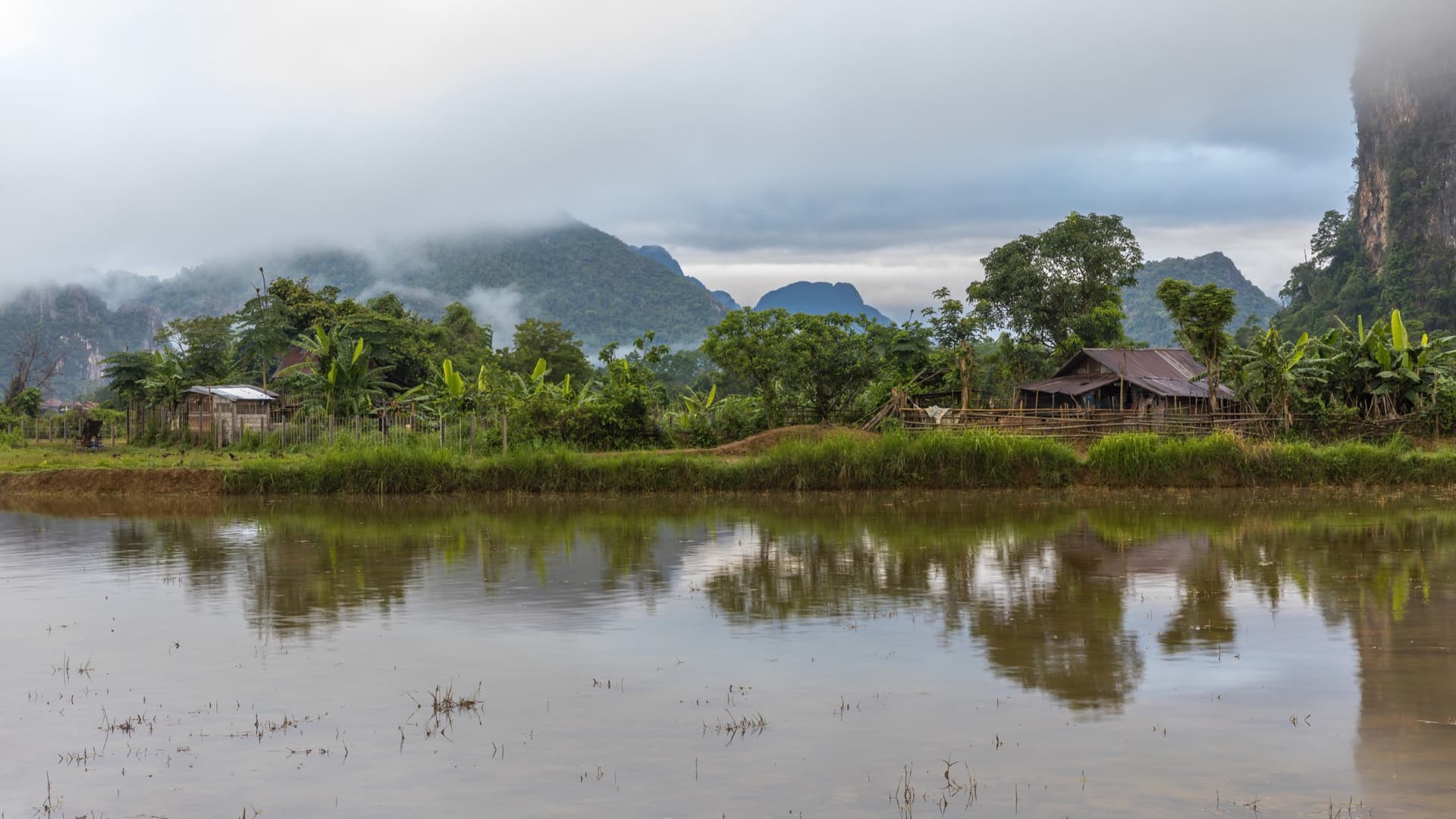
This is the question that comes before every other one, and it is the one most often skipped. Can you build on that plot in Laos? starts from an uncomfortable fact: a clean title tells you who holds the land, not what you may do with it. Lao law sorts every parcel in the country into eight categories, and a house belongs on only one of them, construction land. A plot can be impeccable on paper, with one undisputed holder, no mortgage and no encroachment, and still be agricultural land on which no dwelling may lawfully stand. Changing that is not a district formality. Under the 2019 Land Law the decision belongs to the Provincial People's Assembly. The piece explains how to read the category, who can change it, what happens to a house built on the wrong one, and the questions to put before a deposit moves. It is the quietest gap in the whole purchase and, for the buyer who discovers it late, the most expensive.
What lies under the soil?
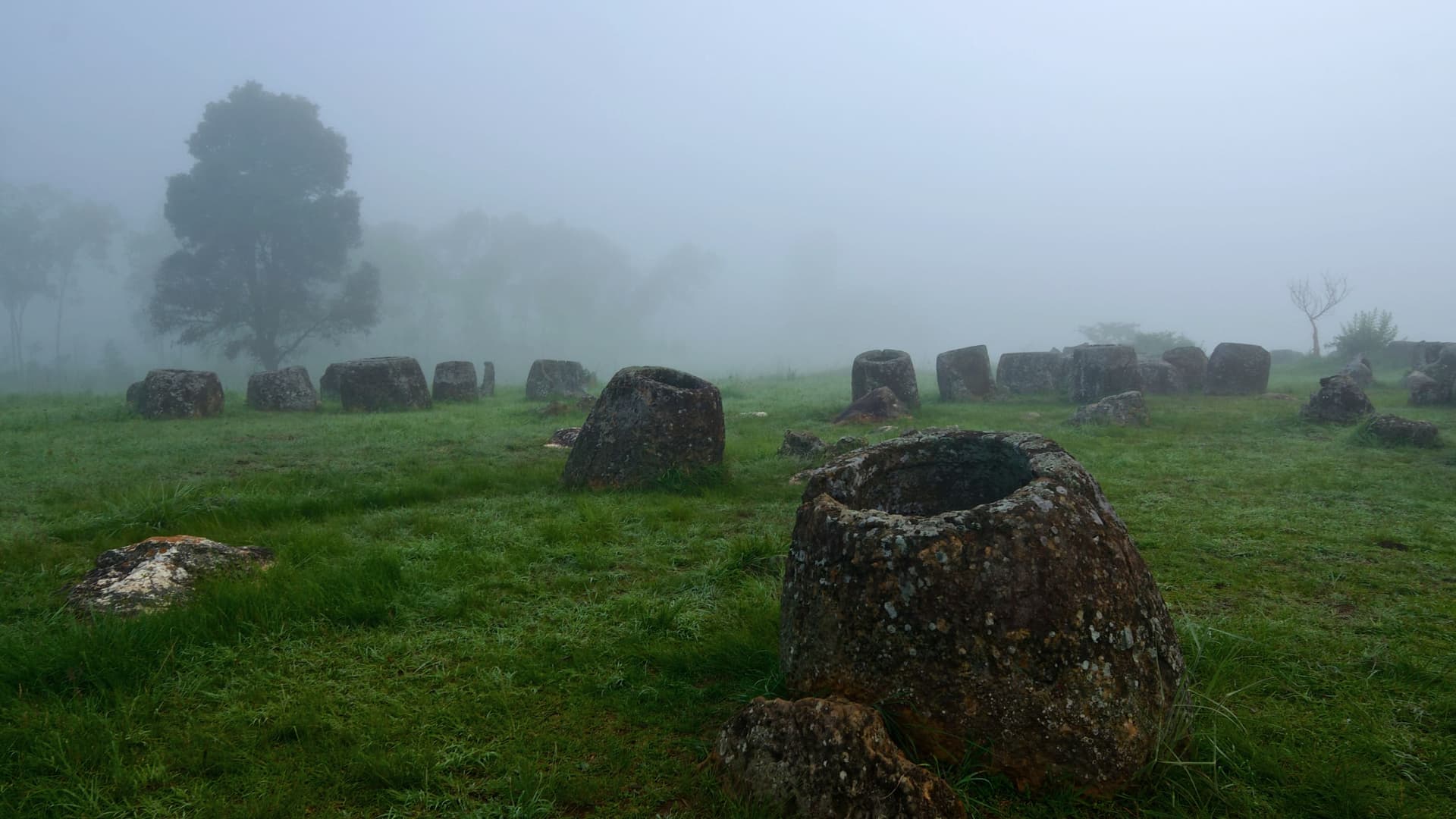
Two of August's pieces dig, in the literal sense. Could the land you buy in Laos hide unexploded ordnance? deals with the oldest inheritance in the country's ground. The bombing of 1964 to 1973 left tens of millions of submunitions in the soil, concentrated in the east and the south, and nothing on a land title records whether a plot has been surveyed or cleared. Humanitarian clearance goes first, and rightly, to poor villages and their farmland, so on a plot you intend to build on the survey and the clearance are usually yours to commission and to pay for. The point we would underline is the one most buyers miss: land cleared for farming is not land cleared for a foundation, a well or a septic tank, because a plough and an excavator do not reach the same depth.
Its companion looks at what the State may still grant underneath you. Could a mine open next to the land you buy in Laos? starts from the principle that the minerals beneath a Lao plot are not part of what you buy or lease. They belong to the national community, and the State licenses their exploration and extraction separately, to whoever it chooses. For a house in central Vientiane or Luang Prabang the risk is remote. For a rural retreat in a province being prospected, it belongs beside the title and the land category: ask the village, check with the district and the province, walk the catchment, take a baseline of the water, and write the risk into the lease. Read together, the two pieces make one argument. The soil of a plot has a past and a future, and a buyer is entitled to ask about both.
What has to reach the plot before it is a home?
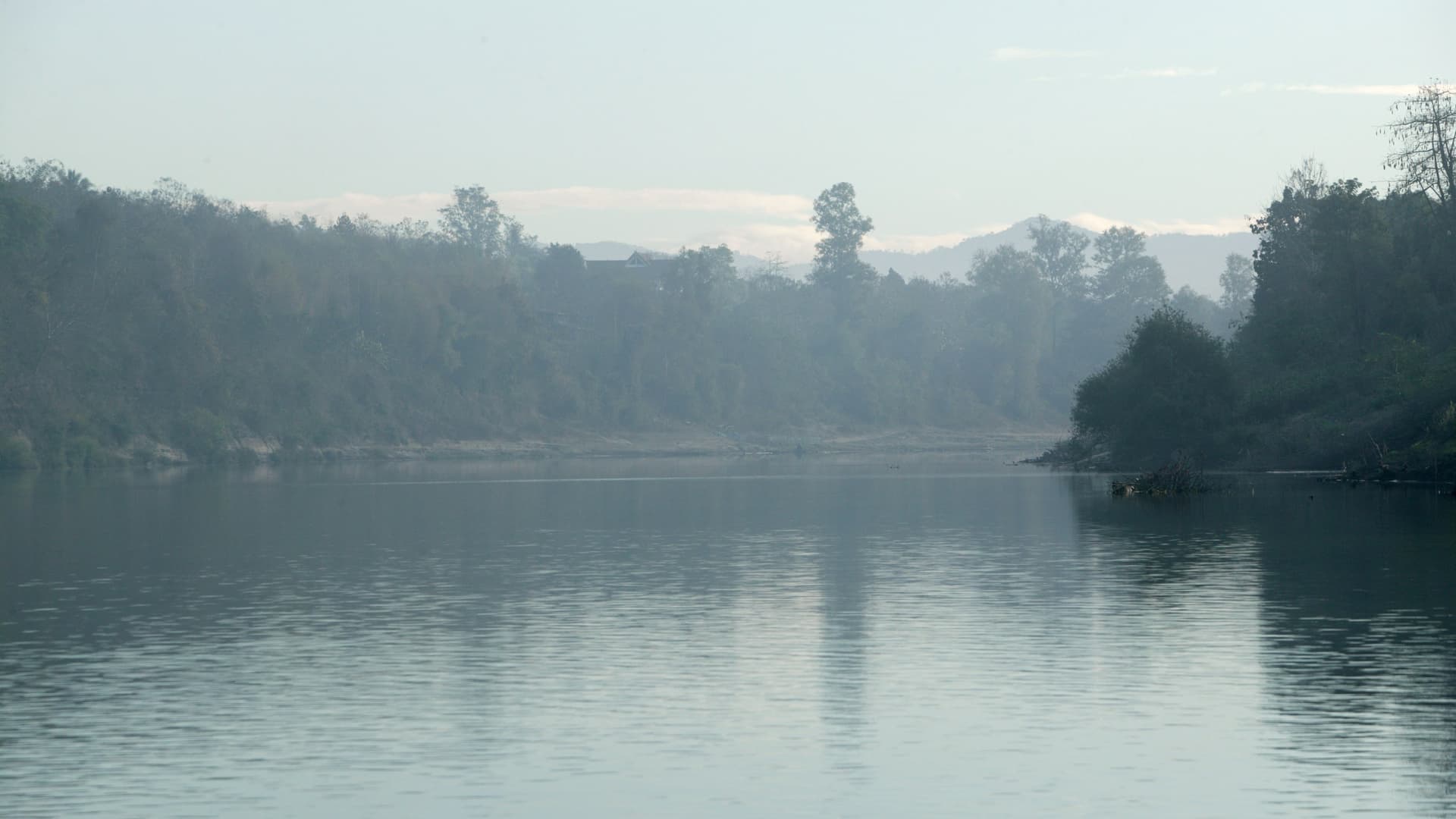
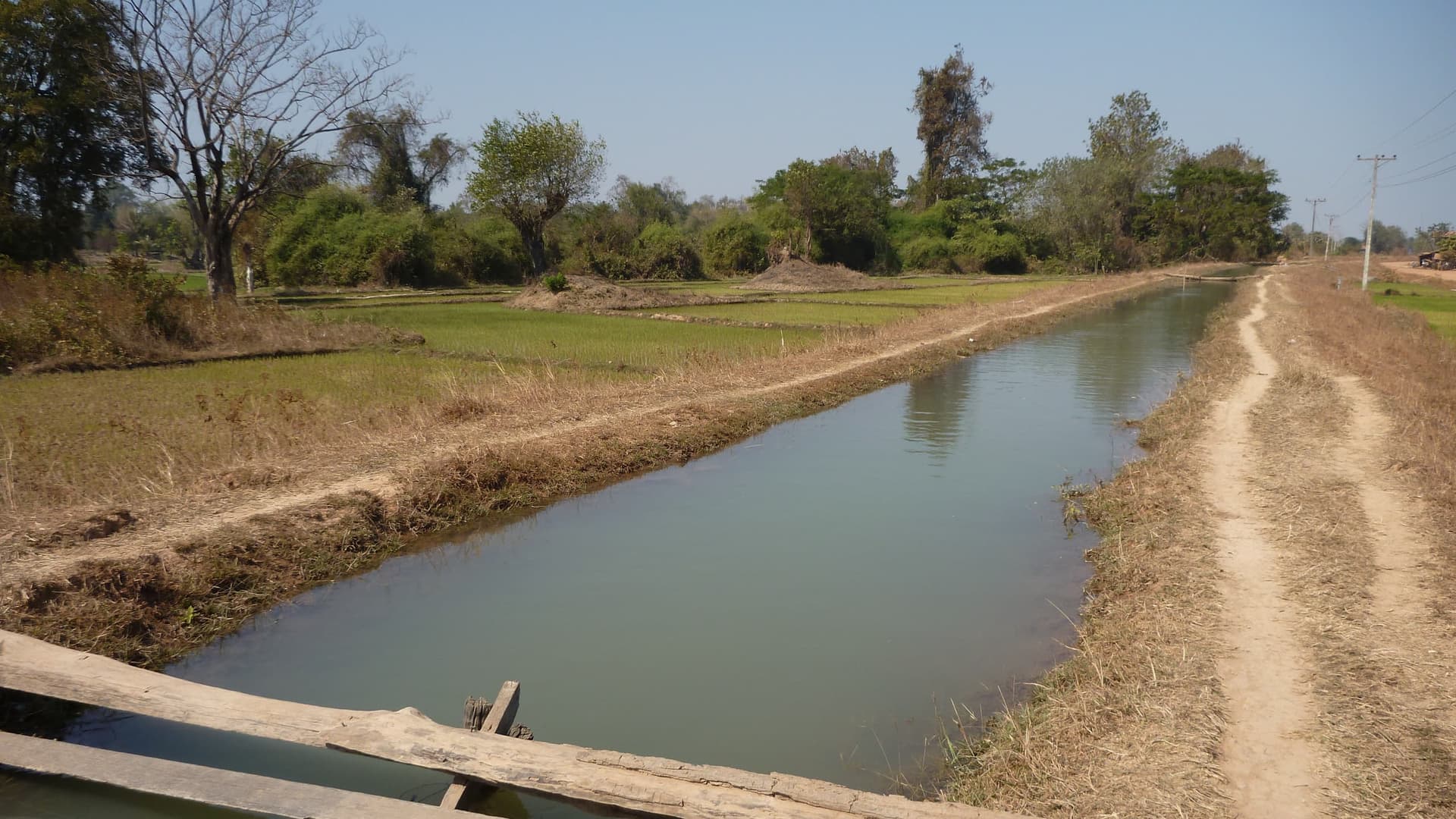
A plot becomes a place to live only when water, power and a connection to the world arrive at it, and in Laos they do not arrive on the same terms. Water, power and internet: servicing land in Laos sets out the honest arithmetic. Electricity now reaches almost every village, yet the line may stop several hundred metres short of your boundary. Mains water is far from universal: even in Vientiane Capital the state supplier serves 378 of the capital's 481 villages, and the ones it does not reach sit largely in the districts where foreigners go looking for space and value. For most homes there is no sewer at all. The piece walks through each service, who owns the pipes, poles and paths that carry it across a neighbour's land, what happens to meters and unpaid bills at the transfer, and what to put in writing before you pay. Its quiet lesson is that a cheaper plot two fields further out is often not cheaper at all once the borehole, the line and the septic system are priced.
Who keeps it while you are away, and who pays when the weather wins?
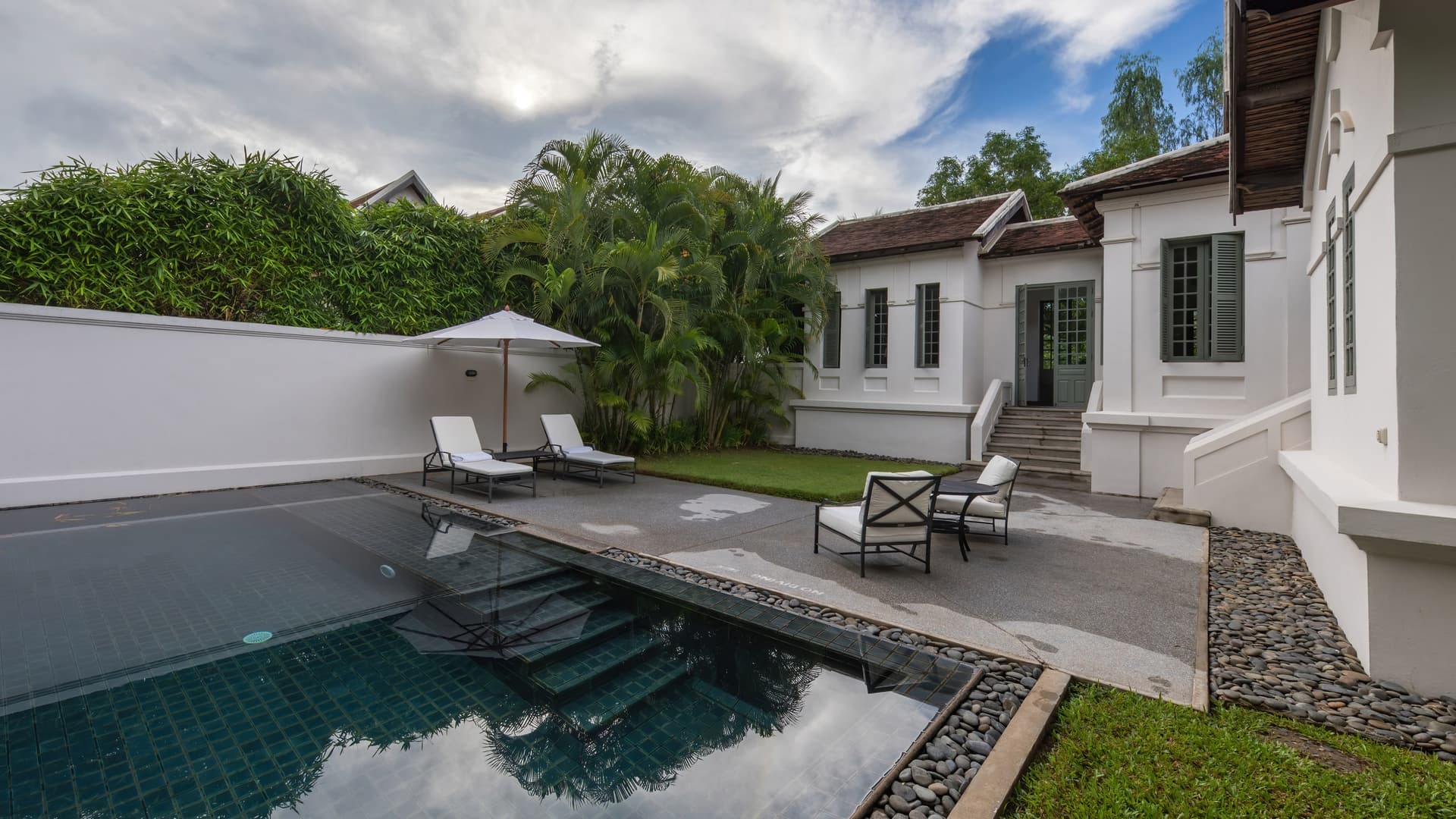
Many of the houses our readers buy are lived in for a few months a year. Keeping a house in Laos you rarely visit takes that life seriously. A building in a hot, wet climate needs a person every week you are away: someone to open it, power to keep it dry, a garden that returns in weeks and a pool that turns in days. The running cost sharpened this year, with official price data for July putting annual inflation at 7.6 percent and electricity 91.5 percent higher than a year earlier, and much of the power a closed house draws is for the walls rather than for you. The piece sets out what a caretaker should actually do, when a management company earns its fee, what to check on every visit, and how the answer should change what you buy in the first place.
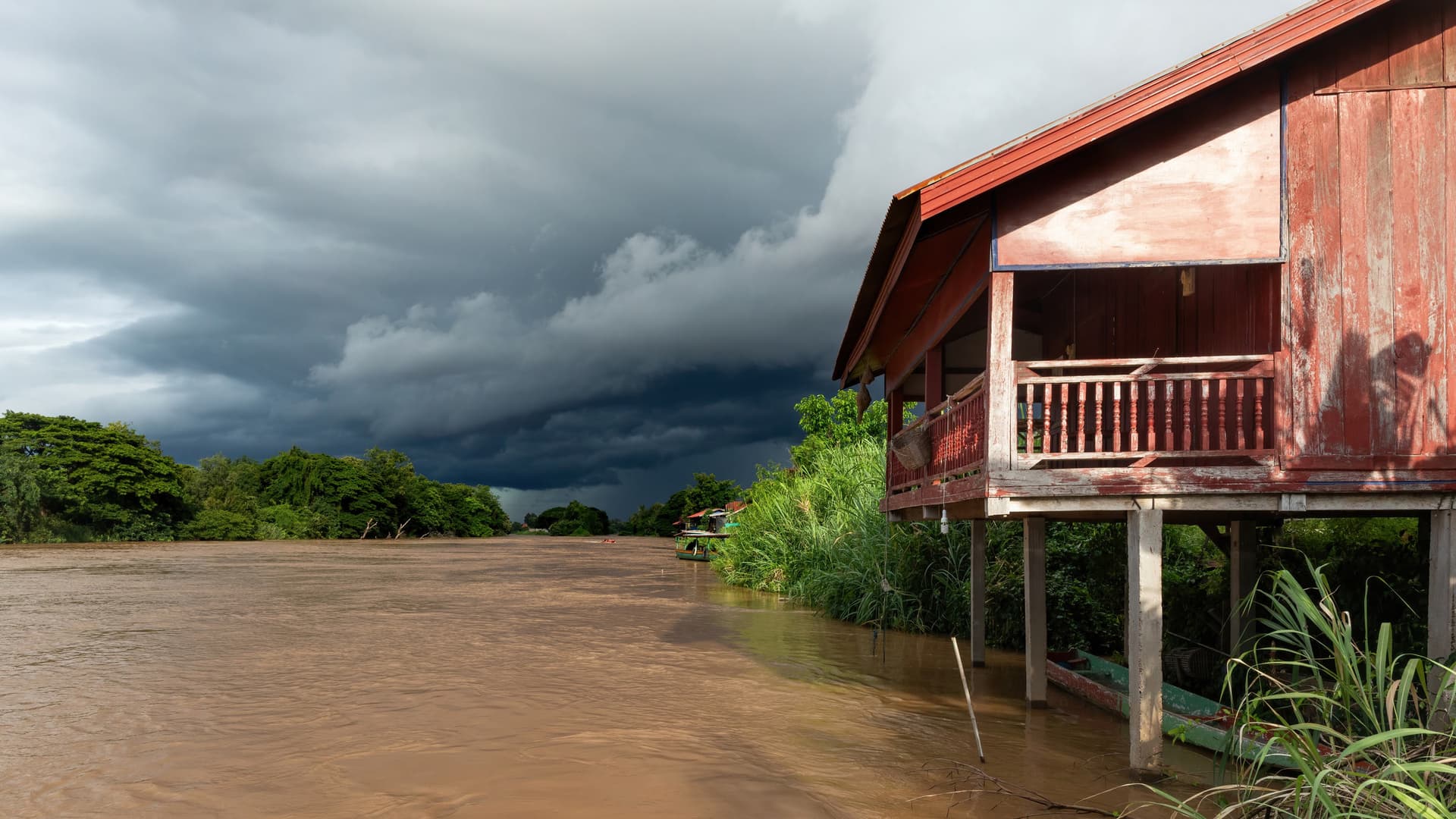
And when the climate does more than dampen the walls, the question becomes who carries the loss. Can you insure a house in Laos? answers it with precision. You can, but you must insure it in Laos, with an insurer registered there, under a contract written in Lao, which closes the workaround of a foreign policy written over a Vientiane villa. Nothing in the law makes flood uninsurable, yet whether a private dwelling can actually buy flood cover is a market question no public source answers, and the state's disaster insurance pays the government rather than the owner. The piece ends with six questions to put to a licensed broker, in writing. Taken together with the caretaker, it describes the two halves of looking after a house from a distance: attention, and a properly transferred risk.
And if the agreement itself comes apart?
Every other piece in this issue is about preventing a problem. The last one is about the day prevention fails. What happens when a property deal goes wrong in Laos? sets out the order in which disputes are actually settled: negotiation first, then mediation in the village, then the land authorities or the economic dispute resolution system of the Ministry of Justice, and only at the end the People's Courts. A foreign buyer may use every one of those routes. What decides the outcome, however, is rarely what you do once the dispute begins. It is the paperwork you put in place beforehand: a lawful structure, a registered contract in Lao, a clean title and boundaries agreed on the ground with the neighbours. The piece is also candid about the distance between winning and collecting, because a decision is worth only what can be enforced in Laos, against a party or an asset that is there.
So what does No. VI add up to?
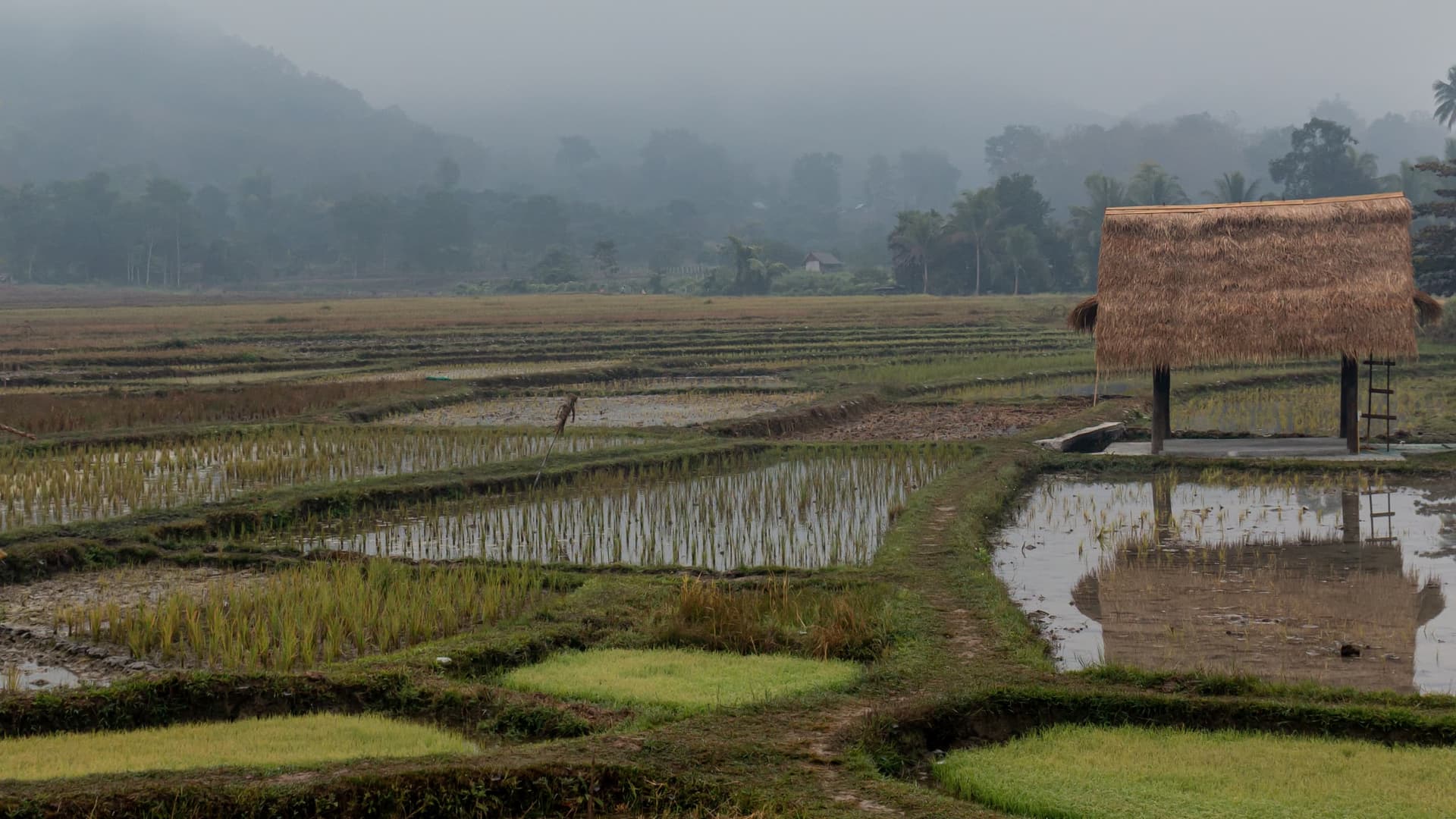
Put the seven together and a single discipline emerges. The land in Laos asks to be read before it is bought, and the reading happens in layers. First the category, because it decides whether a house may stand there at all. Then the soil, because it may hold an old war or a future concession. Then the services, because a home is the sum of what reaches it. Then the years of absence, because a building left alone in this climate does not stay still. Then the risk you transfer, because a loss nobody insured is a loss you carry. And finally the agreement, because the strength of your position on a bad day is decided on the good day when you sign.
None of this is a reason to stay in town, and we have been careful that it should not read as one. The plots that repay a buyer most in Laos are often the ones furthest from a lift and a lobby. But they repay the buyer who arrives with the right questions, not the one who arrives with only a title. Read these seven before you walk a piece of land, not after you have fallen for it. They were written to stand alone, and together they are the most complete account we can give of what the ground in Laos will ask of you, and of what it gives back to those who listen.
Mayer Julien, for the editors.
This is general information for foreign owners and buyers in Laos, not legal or tax advice. Rules change and individual circumstances differ, so verify anything here with a licensed Lao law firm before you act.