Buying
Could a mine open next to the land you buy in Laos?
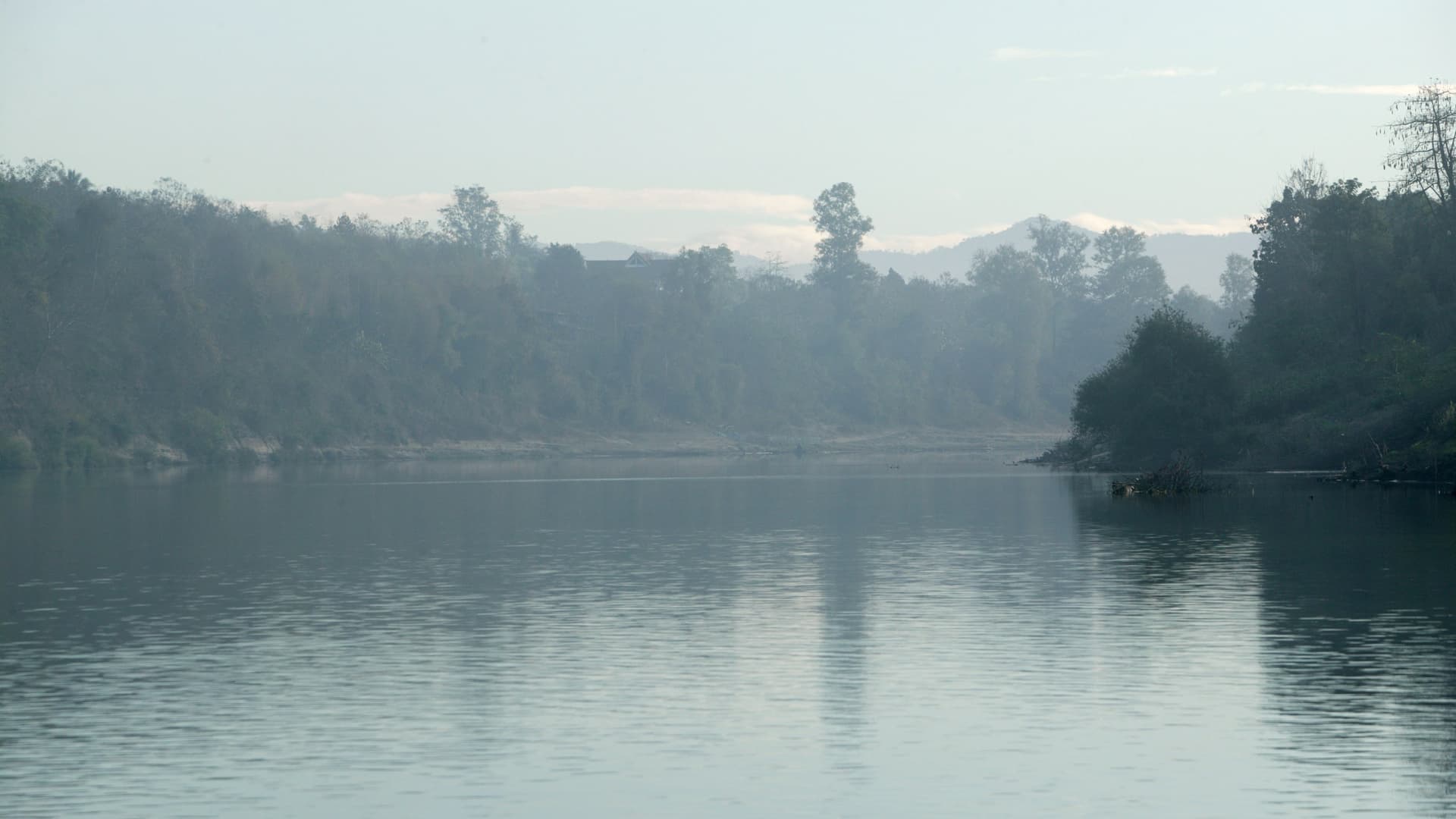
Yes, it can, and nothing on a Lao land title will warn you. In Laos the minerals beneath a plot are not part of what you buy or lease: they belong to the national community and the State grants the right to explore and mine them separately, by licence and concession, to whoever it chooses. A survey team, an exploration camp or an open pit can therefore arrive on land next to yours, or upstream of the stream you draw water from, long after you have signed. For a house in central Vientiane or Luang Prabang the risk is remote. For a rural plot, a riverside retreat or a farm lease in the provinces where minerals are being prospected, the question belongs in the due diligence alongside the title, the land category and the flood risk: what has been licensed around this land, what is being explored, and which way does the water run?
The question is in the news this month. On 18 August the Ministry of Industry and Commerce reported that field surveys had identified two new target areas for rare earths, one along the border between Bolikhamxay and Khammouane in the centre of the country and one across Sekong and Attapeu in the south. No size, grade or boundary has been published. A few days earlier, on 7 August, a Chinese listed operator announced that it had suspended a rare earth project in Muang Kham district, Xieng Khouang, still at the trial mining stage, citing compliance with the rules on rare earth development while it pursues the renewal of its mining rights. Neither item changes what a foreigner may own. Both are a reminder that the map of what lies under Lao soil is still being drawn, and that it is drawn by the State, not by the person who holds the surface.
Who owns what lies beneath your land in Laos?
The starting point is the Constitution and the Land Law of 2019 (No. 70/NA): land and natural resources, including what lies under the ground, are the property of the national community, and the State manages them on its behalf. A Lao land title records a land use right over a surface, with a category, an area and boundaries. It does not carry the minerals underneath. The Minerals Law (No. 31/NA of 3 November 2017) is the instrument that governs who may survey, explore and extract them, and it does so through licences and agreements with the State.
For a foreign buyer this matters twice over. A foreigner already holds a narrower position than a Lao landowner: a lease of land, the use rights attached to a condominium unit, or an interest held through a company, as our other articles explain. Even the Lao owner from whom you lease does not own the minerals under the plot. So neither of you can refuse, on the ground of ownership alone, a mineral right the State decides to grant. What the law does give the holder of the surface is a set of procedural protections: consultation, environmental assessment of the project, and compensation if land is taken. Those protections are real, and they are the reason it pays to know early what is planned nearby.
Where is mining happening, and is it near where foreigners buy?
Mining in Laos is concentrated in a few well known belts, and most of them sit far from the places foreign buyers usually look. Gold and copper have been mined for years at Sepon in Vilabouly district, Savannakhet, and at Phu Kham in Xaisomboun. Potash lies under the Vientiane plain and in Khammouane. Bauxite, iron ore, coal, gypsum and limestone for cement are worked or licensed in several provinces. Gravel and sand are dredged from rivers, the Mekong included, almost everywhere there is construction.
Rare earths are the fast moving part of the picture. The country holds significant heavy rare earth deposits in the north, in Xieng Khouang and Houaphanh. In late 2022 a concession of some 50 square kilometres was granted across Khoun and Phaxay districts in Xieng Khouang, and in the same year a project of 50 square kilometres, a 5 square kilometre mining site plus 45 square kilometres of exploration area, was launched across Huamueang and Xam Neua districts in Houaphanh. State media put the number of rare earth mining projects in the country at roughly fifteen in 2023. In late 2025 the government asked the National Assembly to convert protected and production forest in Xieng Khouang and Houaphanh into land for rare earth mining and processing. The two new target areas announced in August now extend that map into the centre and the south.
Vientiane city, Luang Prabang's heritage town and the centre of Vang Vieng are not mining districts. The exposure grows the further you go from them: a riverside plot in Bolikhamxay, a coffee or forest lease on the plateaus of the south, a retreat in the hills of Xieng Khouang. The right reading is not that rural Laos is unsafe to buy, but that outside the towns the subsoil has to be asked about, the way the soil itself is.
How do exploration and mining licences get granted?
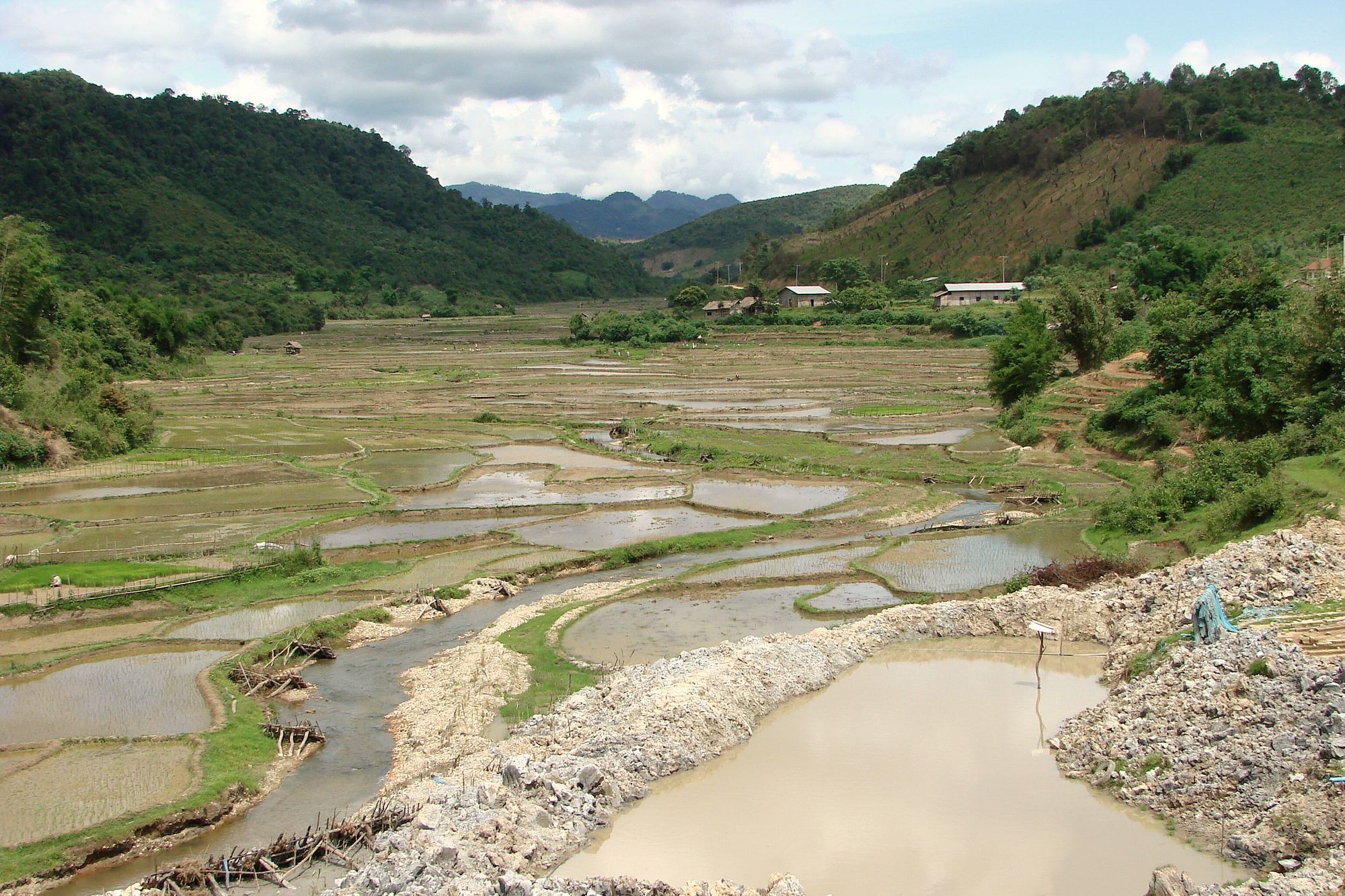
Under the Minerals Law, mineral work moves in stages: a survey, then exploration under a licence over a defined area, then, if the deposit justifies it, a mining concession with its own agreement and its own conditions. Large or sensitive projects are approved at central level, and the August 2026 government meetings on investment approval signalled that concession approvals will be further centralised in investment committees; the revised texts have not been published yet, so treat any precise procedure as unsettled until they are.
Two features of this system matter to a buyer. The first is scale: an exploration area is often far larger than the mine that may eventually follow, and the Houaphanh project's 45 square kilometres of exploration around a 5 square kilometre site is typical of the ratio. Being inside an exploration area does not mean a pit will open on your boundary, but it does mean drilling, tracks and survey crews may pass through. The second is environmental review. Mining projects require an environmental and social impact assessment under the Environmental Protection Law (amended as No. 53/NA of 28 June 2024) and the decree on environmental impact assessment (No. 389/GOV of 20 October 2022), and that process includes consultation with affected villages. It is through that consultation, and through the village authorities, that a project usually becomes visible locally before work begins.
What does a mine next door actually change for a property?
Rarely the title, more often everything around it. The first effect is water. Rural homes in Laos depend on wells, springs and streams more than on a municipal network, and mining waste travels downstream. Rare earth extraction in Laos commonly uses in situ leaching, in which chemical solutions are pumped into hillside soil and the liquid is collected in ponds; in heavy rain those ponds can overflow. Regional reporting this month recalled a 2024 discharge in Houaphanh that polluted the Van and Xam rivers across some three dozen villages. A plot that is perfectly safe on paper can lose its water if the catchment above it is mined.
The second effect is traffic, dust and noise. Ore and materials move by truck, often on roads built for village traffic, and blasting, crushing and dredging carry a long way in quiet valleys. The third is the market for the property. For a lifestyle buyer, a mine in view or on the road in is a lasting discount on the day you sell or try to rent. For someone building staff housing, a guesthouse for contractors or a commercial yard, the same mine can be a source of demand. The fourth is the land itself: if a concession needs your plot, or the access road to it, the State can take the land under the expropriation rules, with compensation at official rates, which our article on whether the State can take your land explains in detail.
How can you find out whether a plot sits near a licence or concession?
There is no single public register a buyer can search online, so the answer is assembled from several sources, and it is worth asking a Lao lawyer or advisor to make the requests in Lao.
- The village chief. The village authority is consulted when a survey team, an exploration project or a concession comes through, and it usually knows long before anything is visible. Ask directly whether any mineral survey, exploration or mining project has been discussed, consulted on or compensated in the village or its neighbours.
- The district land office. When you verify the title, ask whether the plot or its access falls inside an area reserved, leased or granted for a project, and whether any notice of expropriation or land acquisition has been issued.
- The provincial office responsible for mines. Ask whether exploration licences or mining concessions have been granted or applied for in the district, and over what area. Expect a partial answer, and treat silence as unknown, not as clear.
- The landscape. Walk the area and look upstream. Numbered survey stakes, drill pads, fresh tracks cut into hillsides, settling ponds, a sudden change in the colour of a stream, heavy trucks on a village road: each is a question to put to the village.
- The news. Provincial announcements and the national press often name the districts concerned. A buyer looking in Bolikhamxay, Khammouane, Sekong, Attapeu, Xieng Khouang or Houaphanh should read them with this question in mind.
What if a concession is granted after you buy?
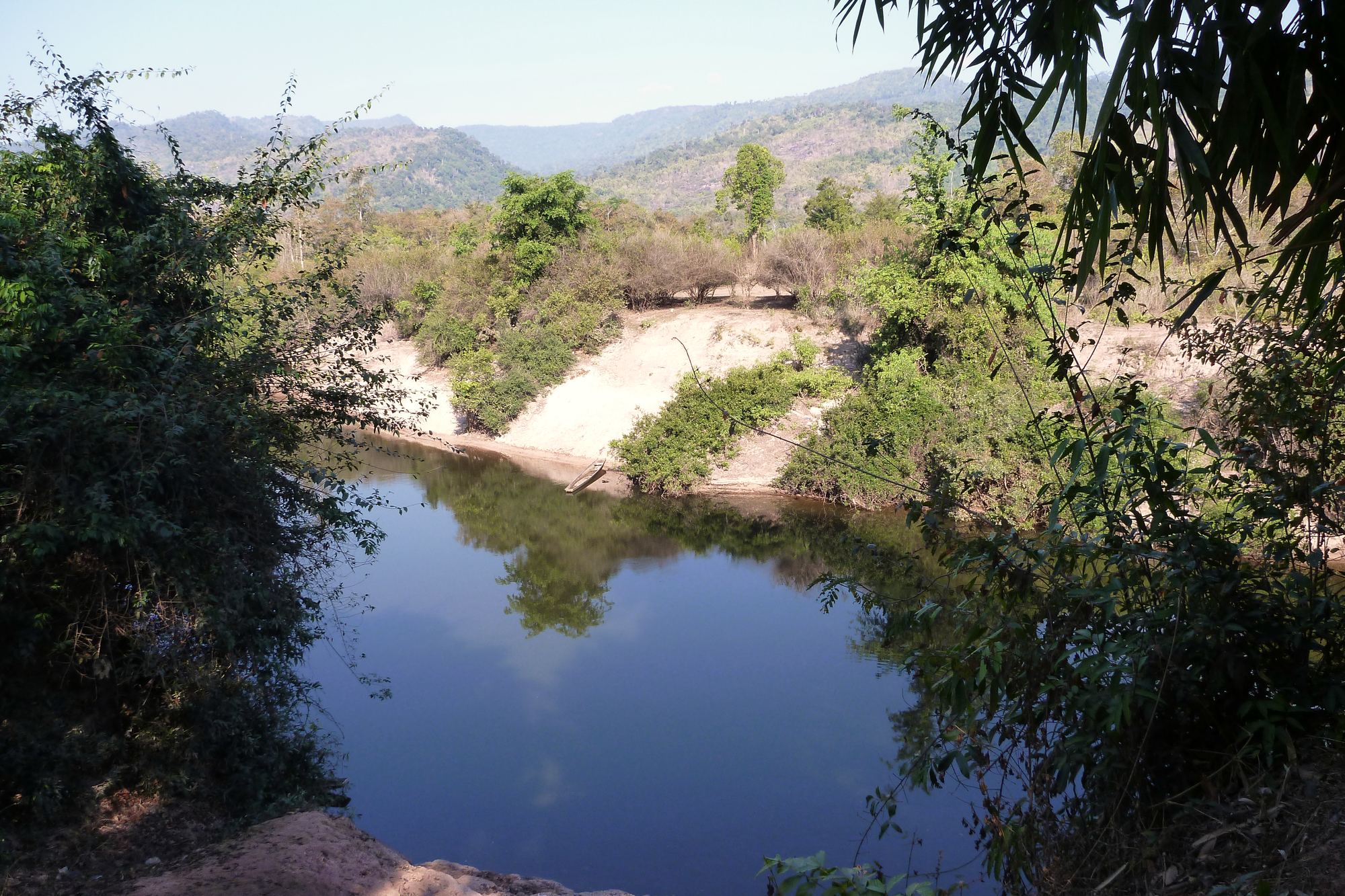
This is the scenario no search can rule out, because the State can license an area tomorrow that is empty today. If the project does not need your land, your protection lies in the environmental conditions attached to it and in the consultation and grievance procedures, which the village authorities administer. Document the condition of your land, its water and its access before work begins, with dated photographs and, for a well or a stream you depend on, a water test from a laboratory. Without a baseline, damage is hard to prove.
If the project needs your land or the road to it, the Land Law allows the State to take land use rights for projects in the public interest, with compensation. As a foreign lessee, remember where you stand: the land use right belongs to the Lao holder, and your claim depends on the lease. Compensation for the land itself goes to the rights holder; compensation for your buildings, your improvements and the remaining term of your lease must be argued for, and is far stronger when the lease already says how it is shared. Official compensation rates are often below what a foreign buyer paid, so the protection worth having is the one you wrote in before signing.
What should the contract or the lease say?
A Lao lawyer will draft the wording. What you want it to cover is this:
- A declaration by the seller or lessor that they have received no notice of a mineral survey, exploration licence, concession, expropriation or land acquisition affecting the plot or its access, and that they know of no such project under discussion in the village.
- A duty to pass on notices. Any notice the Lao holder receives about the land, from any authority or investor, must be sent to you promptly.
- The sharing of compensation. If the land is taken in whole or in part, the lease states how compensation is divided between the land use right and your buildings, improvements and unexpired term, and that the lessor will claim on your behalf where only they can.
- An exit. If a project materially affects the use of the plot, its water or its access, you may end the lease and recover the unused part of any rent paid in advance.
- Water rights in practice. Where the property depends on a well or a stream, the contract records it as part of what is leased and how the source is reached.
Does this mean you should avoid rural land in Laos?
No. Most rural land in Laos will never see a mine, and the provinces now in the news are large. It means the subsoil is one more thing to ask about when you buy outside the towns, alongside the title, the land category, unexploded ordnance and the flood line. The careful buyer asks the village, checks with the district and the province, walks the catchment, takes a baseline of the water, and writes the risk into the lease. The buyer who skips those steps may find that the most valuable thing about the land, its quiet and its water, was never theirs to protect.
This article is general information, not legal advice. Mineral, land and environmental rules in Laos change, and their application varies by province and project. Verify every point with a Lao-licensed law firm before you sign or pay.