News
No. IV: Back to the foundations
This is the newest issue of the journal, and it returns, deliberately, to the foundations. The first three issues moved outward, from whether to own, to the life after the keys, to the long view across a whole possession. No. IV goes back underneath all of it, to the bedrock that has to be sound before any of the rest is worth a sentence: whether a foreigner can own at all and for how long, what the land title actually is and how to reach it safely, whether the state could ever take it back, where your money should sit and how it crosses the border, and which way the country itself is heading. These are the first questions, and they are the ones worth re-reading even after you are sure you know the answers.
Why does the newest issue return to the foundations?
Because the foundations are where every expensive mistake actually begins. We have written, across three issues, about markets and yields and legacies, the upper floors of the house. But the painful stories never start on the upper floors. They start in the footings: a title misread, a step taken out of order, a risk no one priced, an account that trapped the money, a tenure that was shorter or weaker than it looked. A journal that only ever moved forward would eventually leave its own bedrock unspoken, so this issue says it plainly.
It gathers the things that have to be true before any of the pleasant questions matter at all. Few are new, and that is the point. These are the pieces we ask every client to read first, the ones we re-read ourselves before every deal, because the cost of getting a foundation wrong is not a worse return, it is the whole house. The buyer who masters these never needs the recovery chapters hidden inside the other issues. This is the issue we would press into the hands of someone about to buy tomorrow.
Can a foreigner own property in Laos, and for how long?
It is the question this firm was built to answer honestly, and it remains the most misunderstood thing about the country. Whether foreigners can own property in Laos is our flagship guide and the first thing we ask anyone to read. It sets out the plain truth, that land belongs to the national community and a foreigner does not take a land title, the one clean route to a title in your own name, and the difference between owning a thing and merely being allowed to feel that you do. Get this single answer right and the rest of the journal becomes useful. Get it wrong and nothing else can save the purchase.
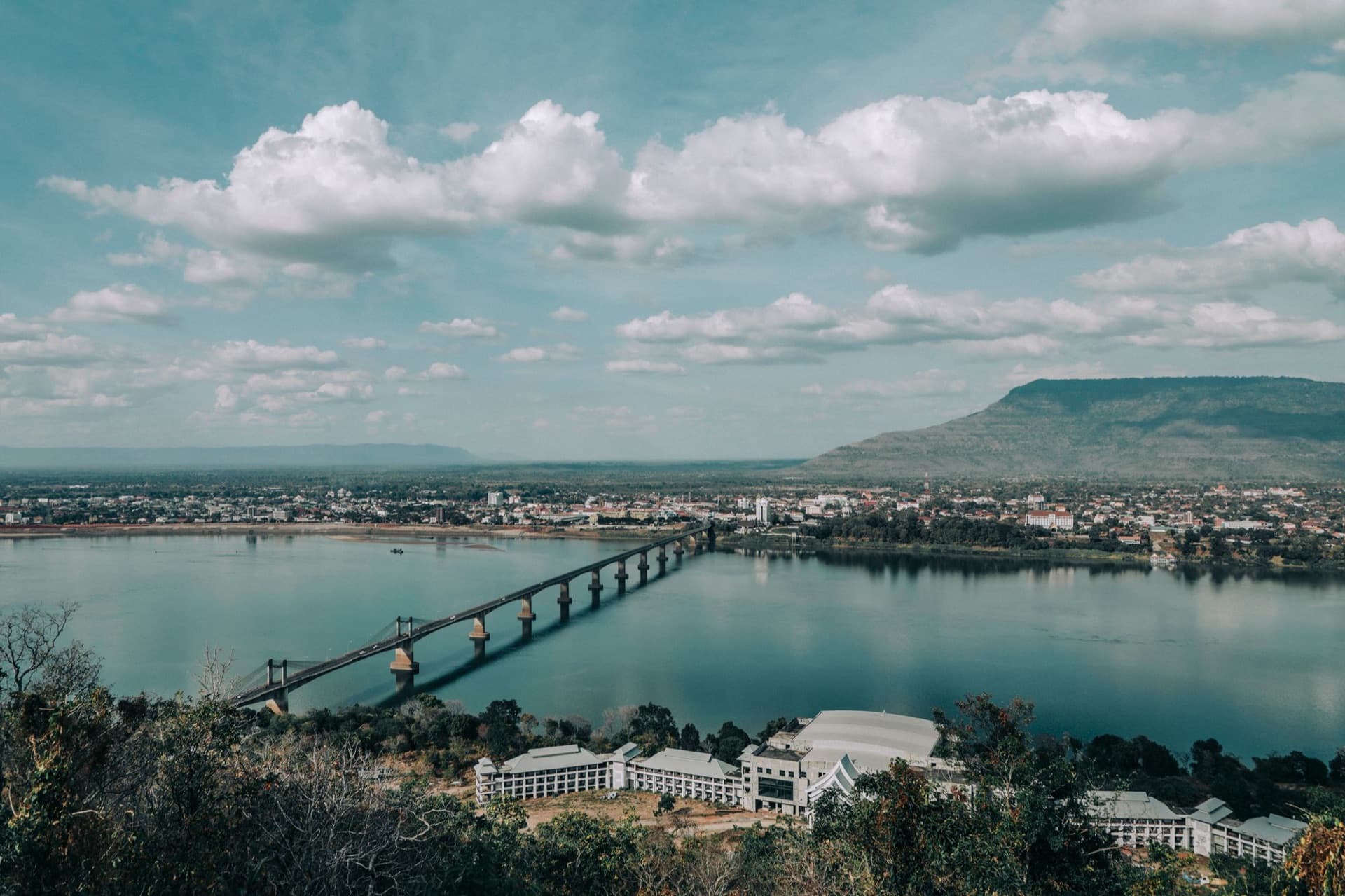
And once you know you can hold something, the next foundation is how long you can hold it. Most foreign tenure runs thirty to fifty years, but there is one place the clock runs far longer. Whether a foreigner can get a 99-year lease in Laos answers the question buyers keep hearing half-true: yes, inside a Special Economic Zone the lease can reach ninety-nine years, and no, that is not the same as owning the land. It is the longest, most attractive tenure on offer, and the one whose fine print, the developer's master concession, the zone's standing, the depreciation, deserves the most careful reading. A long lease is a real prize, as long as you know exactly what you are holding.

What is the title, and how do you reach it safely?
A purchase is only ever as sound as the document beneath it and the path you took to get there. How to read a Lao land title teaches the single most valuable skill a buyer here can hold: reading the paper that is the deal, telling a full title from a weaker land document, and seeing the marks that say a plot is genuinely transferable rather than merely occupied. It is the difference between trusting a stranger's word and reading the thing yourself.
And a good document still needs a safe road to it. Buying property in Laos, step by step lays that road over the top: agree the terms in principle, verify the property and the seller, sign a contract conditional on that verification, and only then move money, in tranches tied to milestones rather than in a single hopeful transfer. Reverse any two of those steps and you have handed away your protection. Kept in order, the sequence keeps the leverage in your own hands from first viewing to final registration.

Could the state ever take it back?
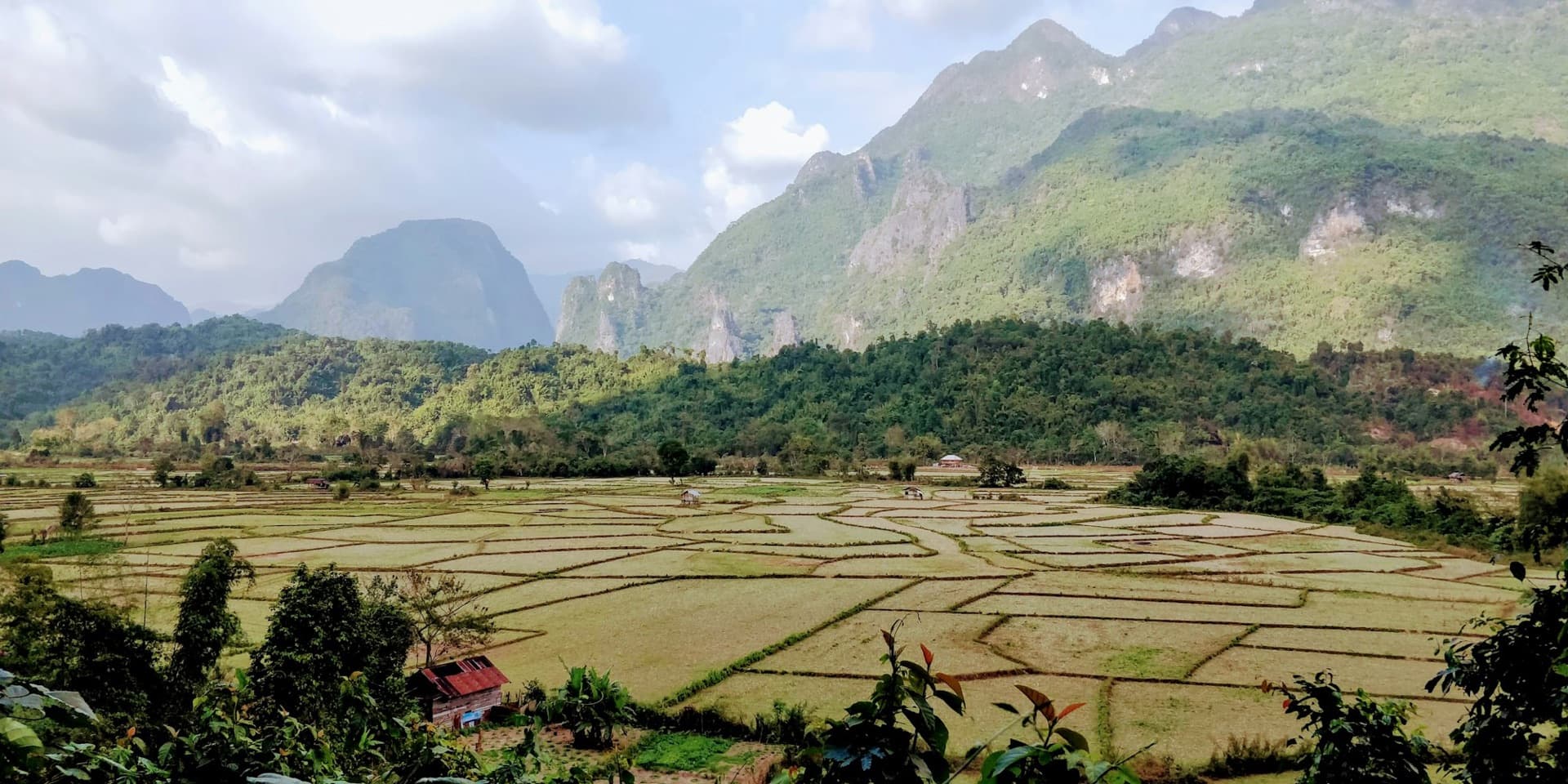
It is the fear that sits under every other fear, and it deserves a plain answer rather than a rumor passed between buyers. Whether the state can take your land in Laos sets out the honest position on expropriation: when and how land can be reclaimed for public purposes, what compensation the law provides, the lessons of the real cases along the railway and the larger projects, and how a careful buyer reads that risk into a location before they sign rather than after. The tail risk is real, but it is specific and largely legible, and a specific risk is one you can actually price into where and what you buy.
Where should your money sit, and how does it cross the border?
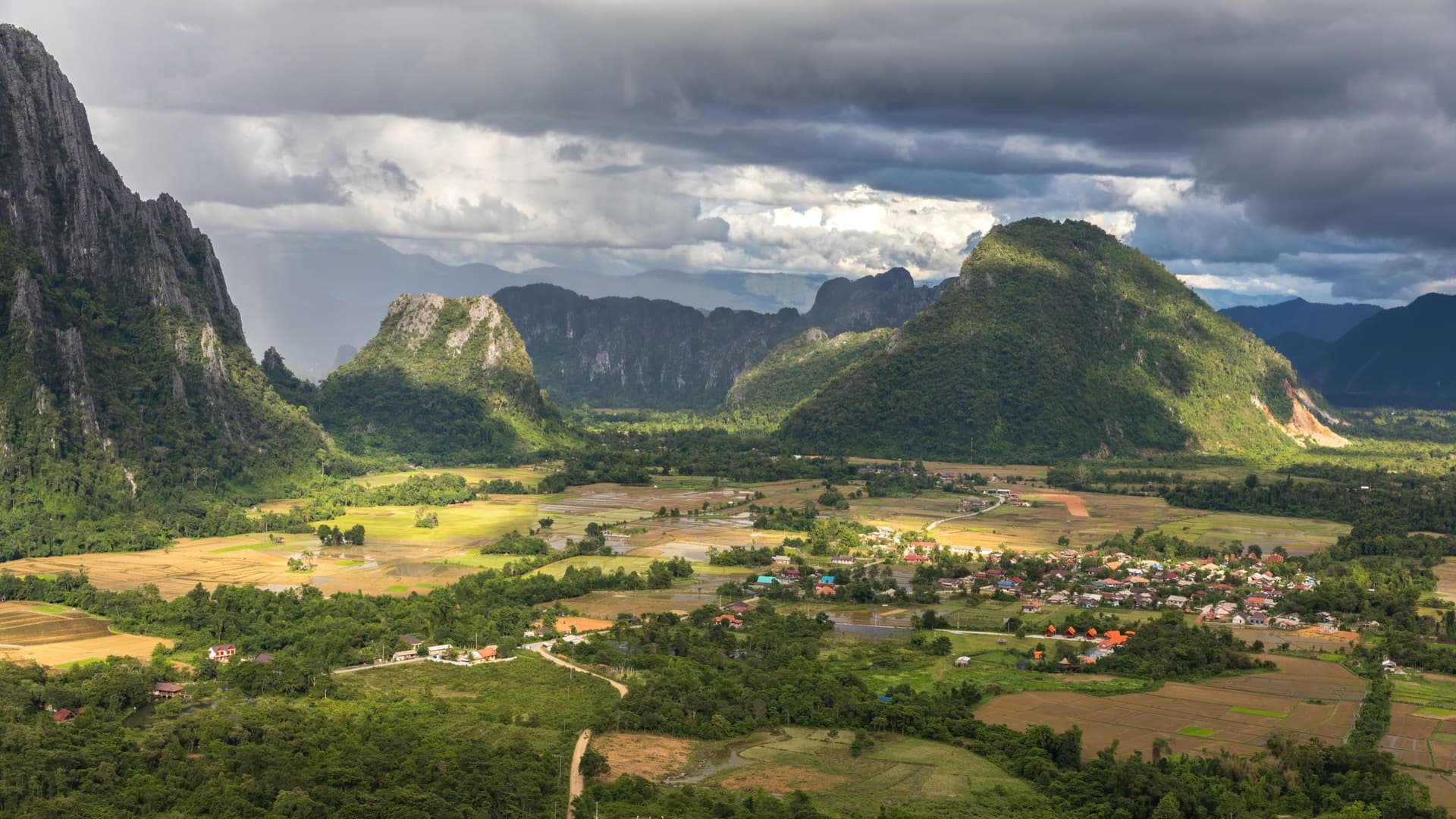
Beneath the title and the deal is the plainest foundation of all: the account the money moves through and rests in. Choosing a bank in Laos is the practical guide to that quiet decision, which bank, which currency, what a foreign owner can and cannot do with a Lao account, and why the banking choice shapes, more than buyers expect, how easily money comes into the country, sits while you transact, and one day leaves when you sell.
And before the money can sit anywhere, it has to arrive, sometimes in your own hand. How much cash you can bring into Laos covers the part the wire transfers leave out: the declarable threshold at the border, what hand-carried cash is and is not good for, and why money that walks in undeclared cannot easily walk back out when you sell. These are the least glamorous pieces in the issue, and the two a buyer is gladdest to have read before, not after, the money started to move.
And the country itself, where is it headed?
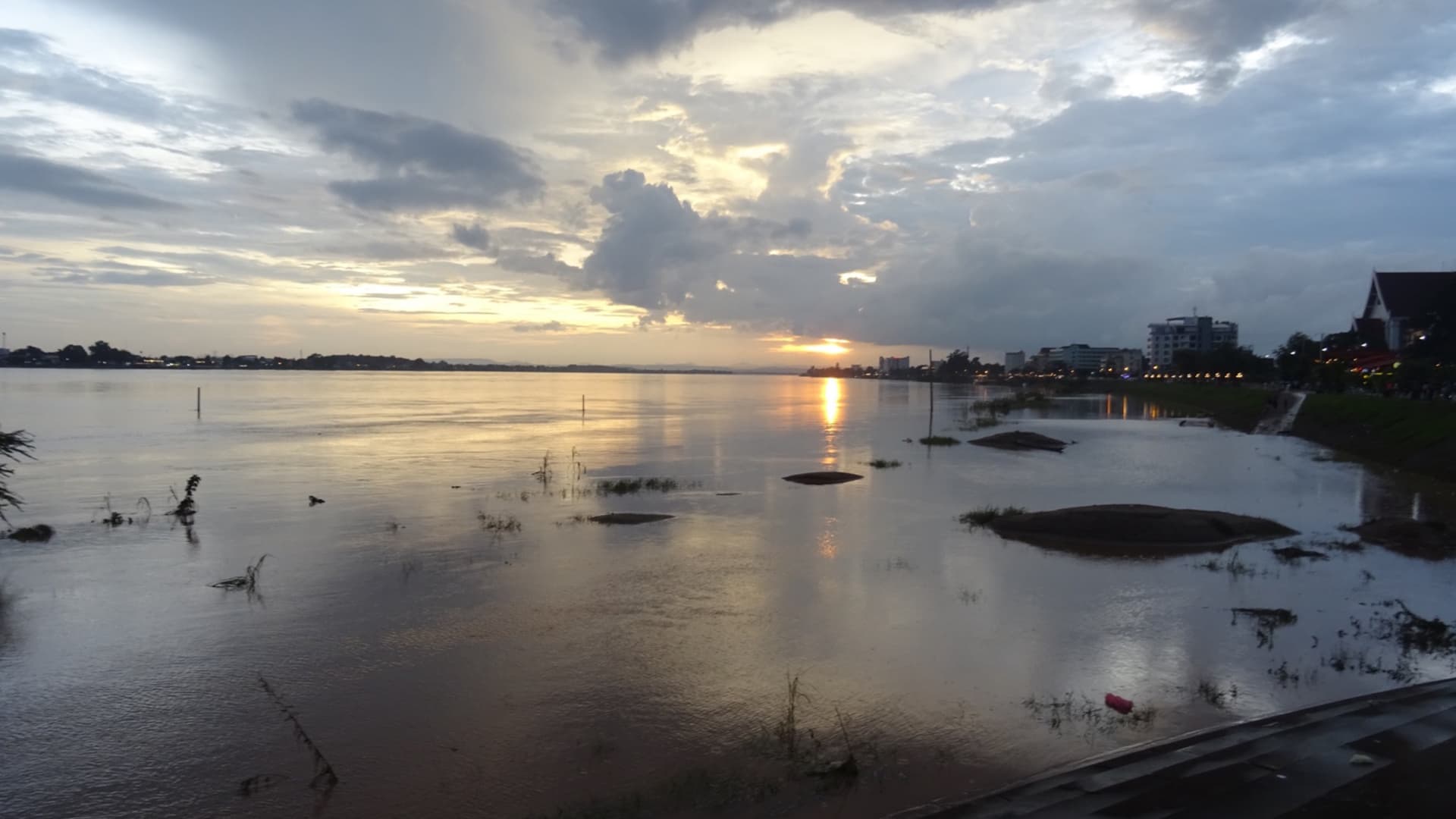
A foundation is only as steady as the ground it rests on, and the ground here is a country in motion. What Laos leaving least developed status means for your property reads that wider movement honestly: graduation changes the country's standing in the world, its aid and trade terms, its debt and currency pressures, but it does not touch your title, your lease, or the tax on a sale. It is the macro backdrop your property sits inside, the slow tailwind behind demand and the nearer risk to the kip, and it is worth understanding precisely, because the noise around a status headline is always louder than its effect on any single home.
So what does No. IV add up to?
Set the pieces side by side and the foundations stand clear. A foreigner can own, by one narrow and honest route, and can hold for as long as ninety-nine years where a zone allows it. The title is a document you can learn to read, reached by a sequence you can keep in order. The gravest risk is real but specific, and a specific risk can be priced rather than feared. Under all of it sits an account whose choice quietly decides how freely your money lives, and the cash rules that decide how it arrives. And around the whole of it stands a country on the move, whose direction matters more to your patience than to your paperwork. Master these, and the markets and yields and legacies of the other issues become optional reading rather than urgent repair.
None of that is a pitch, and we have worked to keep it from becoming one. It is the same temperament the journal opened with, brought back to the ground it stands on: patient over hurried, honest over flattering, the sound footing over the pleasant facade. Read the pieces in whatever order suits you, but read them before you buy, not after. They were written to stand alone and to be read together, and together they are the firmest ground we know how to give a foreigner standing at the edge of owning something in Laos.
Mayer Julien, for the editors.
This is general information for foreign owners and buyers in Laos, not legal or tax advice. Rules change and individual circumstances differ, so verify anything here with a licensed Lao law firm before you act.