News
No. III: The long view
The first two issues of this journal took a buyer through the early questions and the practical ones: whether you can and should own in Laos, and then the life that begins at the keys, paying for a home, making it yours, letting it, living in it. This third issue steps back from both and takes the long view. It is about the whole arc of owning here: where in Laos people are actually buying, what a purchase truly costs and how to be sure it is sound, and how ownership finally ends, in a sale you choose or a legacy you do not. No. III is the issue for the buyer thinking past the purchase to the entire shape of the thing.
Why give a whole issue to the long view?
Because the finest buyers we work with are not really buying a building. They are buying a decade, sometimes a generation. They want to understand the market they are entering well enough to leave it cleanly, to know the cost they are paying down to the last fee, and to be clear about what becomes of the asset when they are done with it or gone. The amateur buys the view from the terrace. The patient owner buys the whole arc, the entry, the holding, and the exit, and prices all three before signing a thing.
That is an unusual way to sell property, and we know it. Most of the trade is built to make the entry feel effortless and to leave the rest for later. We do the opposite, because later is where the money is actually kept or lost. This issue gathers the pieces that let a buyer see the end from the beginning: the three markets that carry the foreign conversation, the true cost and the verification that protects it, and the two ways every ownership eventually closes. Read together, they are a map not of a purchase but of a possession, from the day you buy to the day it passes on.
Where in Laos are people actually buying?
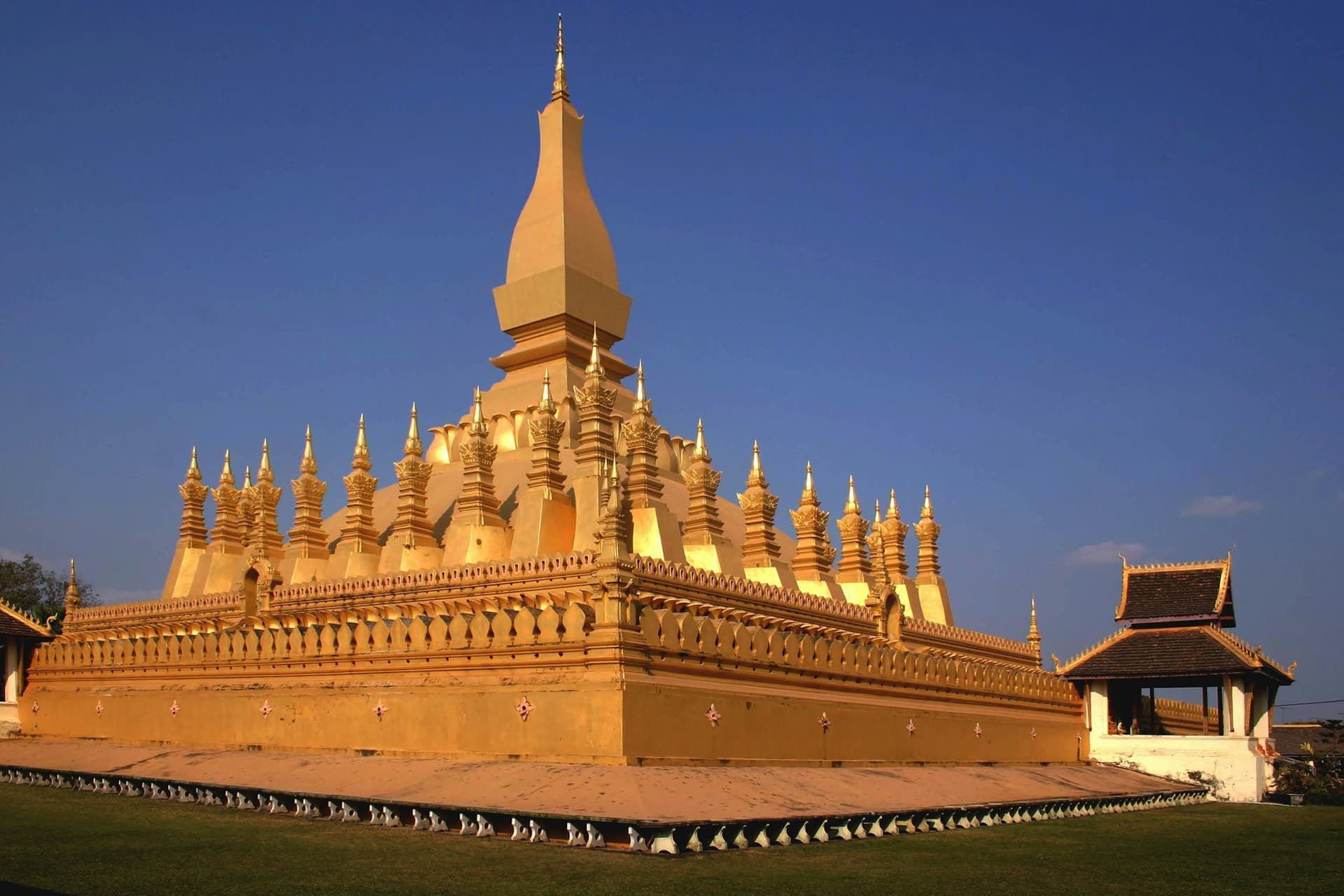
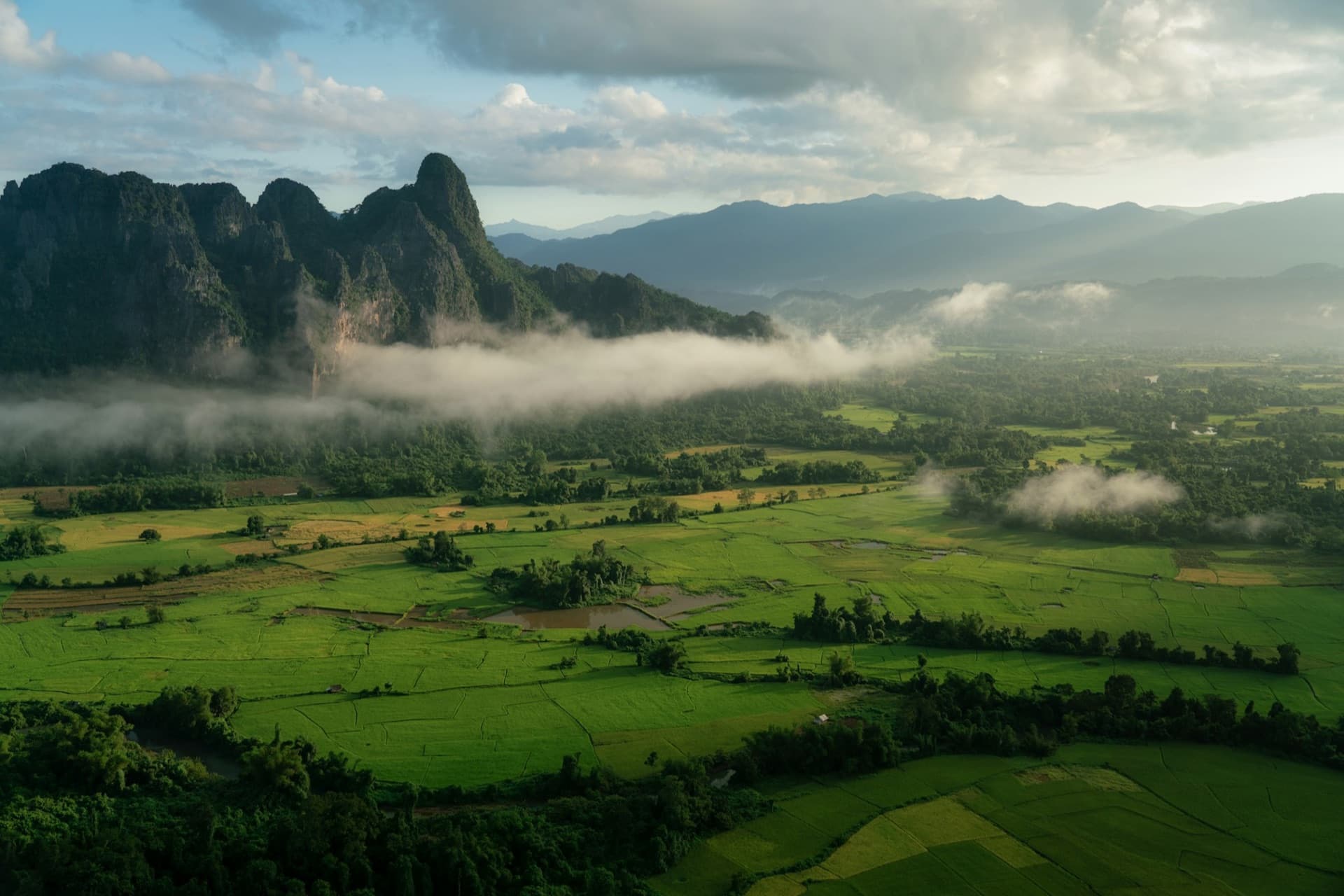
Two markets carry most of the foreign conversation, and they could not differ more in temperament. The Vientiane property market is the liquid one: the capital holds the country's deeper pool of stock, tenants, and resale, and it is the place a first-time buyer is least likely to be stranded. It is steady rather than spectacular, and for many buyers that is precisely the point. The Vang Vieng property market is the opposite energy, the country's most talked-about boom, remade by the railway and the return of the visitor, full of upside and full of the risk that always rides alongside a fast story. Read the two together and you have the poles of the Lao market, the steady and the speculative, and a sense of which one your own temperament can actually hold.
And where does quiet luxury keep its address?
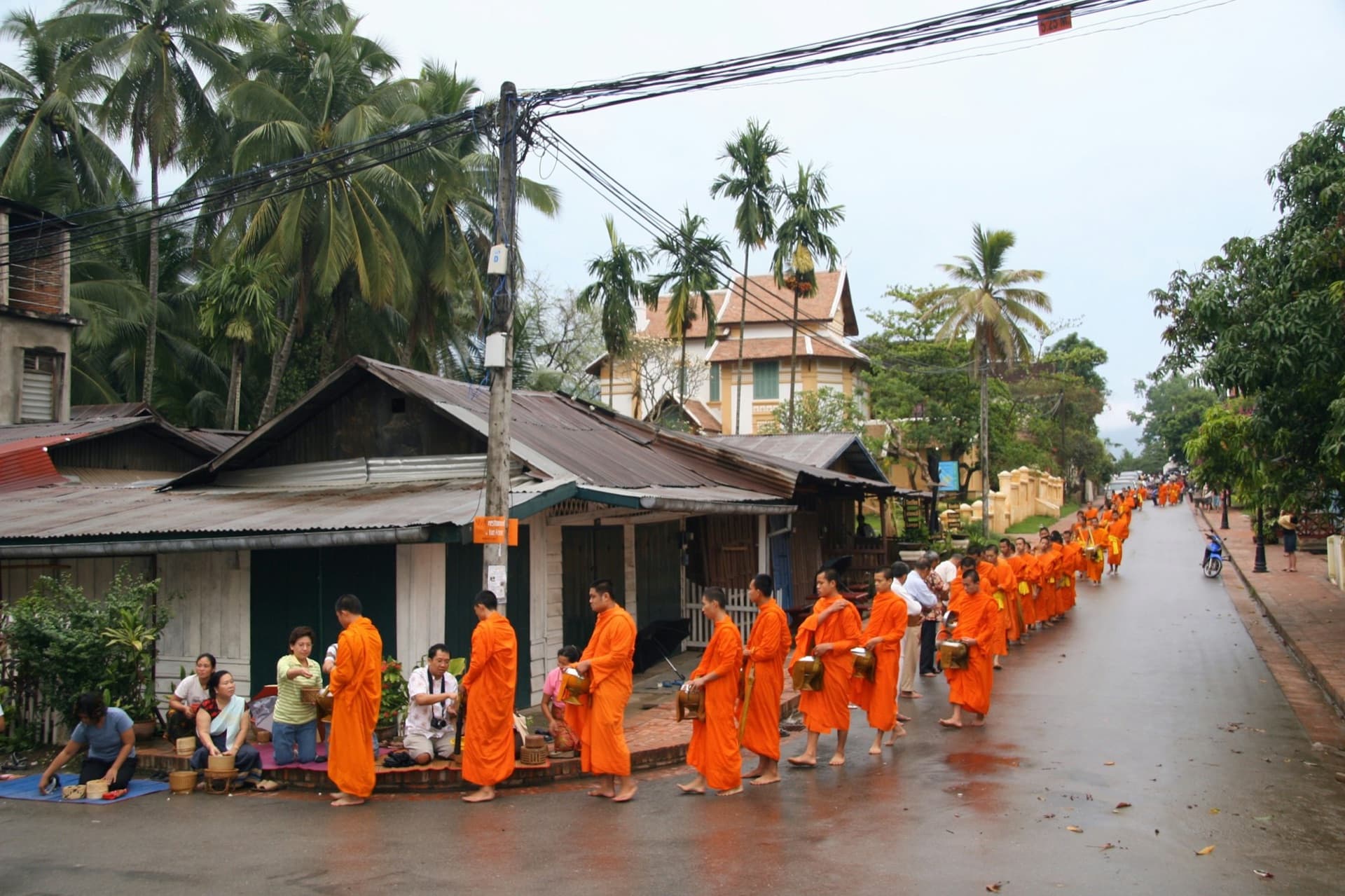
There is a third place that belongs to neither pole. Luang Prabang is not a market you trade so much as one you join. A UNESCO town of teak and gilded temples, where supply is held down by heritage rules and demand is held up by taste, it offers the rarest thing in Laos: a genuinely scarce, genuinely beautiful asset whose name the world already knows. It is the most expensive way into the country, and for the right buyer it is also the most defensible, because scarcity that is written into law and protected by a town's whole character does not evaporate when the next cycle turns. If the other two markets are about price and momentum, this one is about permanence.
What will it truly cost, and how do you know it is sound?
A market is only ever as good as the price you actually pay and the title you actually receive. The cost of buying property in Laos sets out every line beyond the number on the listing: the transfer tax, the registration and stamp fees, the cost of the verification itself, the legal drafting, and the spread and timing of moving money into the country. None is large alone, but together they decide whether the true figure is known at the offer or discovered, painfully, at the closing table.
And a known price means nothing over a flawed title, which is why due diligence is the one step we will never let a client skip. It is the reading of the title, the walking of the boundary, the confirmation that the person selling can actually sell, that the land is not mortgaged, disputed, or quietly promised elsewhere. A clean title found before you pay is worth more than any discount you could negotiate after, because it is the only part of a purchase that cannot be repaired once the money has moved.

How does ownership end, in a sale or a legacy?
Every purchase has an exit, even the ones bought to keep forever, and the long view means facing both kinds. Selling property in Laos is the honest account of the exit you choose: how a foreigner sells what they hold, the transfer taxes that apply, and why a small and not very liquid market means you sell when the right buyer appears rather than the month you decide to move on. Price that illiquidity into the entry, and the exit stops being a threat.
The quietest exit of all is the one you do not choose. Inheriting property in Laos sets out what happens to a Lao asset when an owner dies: why a foreigner's careful structure, a lease, a company, a spouse's title, can unravel without a plan made in advance, and how to leave what you built to the people you meant it for. It is the least romantic subject in this issue and, for an owner with a family, the most important. The buyer who plans the legacy at the entry is the one who never leaves their family a problem dressed as a gift.

So what does No. III add up to?
Set the seven pieces side by side and the long view comes into focus. There is a steady market and a speculative one, and a third that trades on permanence rather than either. There is a true cost that is always more than the asking price, and a verification that is the only thing standing between a buyer and an unfixable mistake. And there is an ending, always, either the sale you plan or the legacy you must. The mature buyer holds all of it in view at once, and prices the exit on the day of the entry.
None of that is a pitch, and we have worked to keep it from becoming one. It is the same temperament that opened this journal, carried to its longest horizon: patient over hurried, honest over flattering, the whole arc over the pleasant first chapter. Read the seven pieces in whatever order your own plans call for. They were written to stand alone and to be read together, and together they are the most honest map we know how to draw of what it means to own something in Laos for the length of time the finest things are meant to be owned.
Mayer Julien, for the editors.
This is general information for foreign owners and buyers in Laos, not legal or tax advice. Rules change and individual circumstances differ, so verify anything here with a licensed Lao law firm before you act.