News
No. V: What the title does not tell you
No. IV settled the paper. This issue is about everything the paper does not say. A verified title tells you that a property is lawfully yours, and then it falls silent. It will not tell you what the state asks of you each year, which vehicle should actually hold the thing, whether the ground takes water in August, what a year of living there truly costs, what the person you let inside it can do to your name, or whether one of the neighbours was the better answer all along. July's seven pieces are that second half of ownership, the half that arrives after the signature and then stays for as long as you hold.
Why does a sound title leave so much unsaid?
Because a title is a legal statement, not a description of a life. It answers one question extremely well, who holds which rights over this parcel, and it answers nothing else at all. That is not a defect. It is the limit of what a registry is for. But buyers routinely read a clean title as a clean position, and the two are not the same thing. The document is silent on tax, on structure, on water, on the cost of a household, on the conduct of a tenant, and on the alternative they decided against without ever pricing it.
So No. V takes that second half deliberately. Nothing gathered here changes whether you may own. All of it changes what owning is like, year after year, and what it can cost you on the day something goes wrong. These are the questions clients tend to ask us in their second year rather than their first, and the whole purpose of an issue like this one is to move them forward into the first.
What will the state ask of you every year?
Less than most foreigners fear, and it is worth saying so plainly rather than leaving the anxiety in place. What taxes you will pay owning property in Laos sets out the entire picture in one place: roughly two percent when you buy, a nominal annual land tax, ten percent on rent you receive, and the same two percent again when you sell. There is no wealth tax and no separate capital gains regime. The piece also draws the line the 2026 income tax reform does and does not cross, because a reform headline always travels further than its actual reach. A buyer who reads it stops guessing at the running cost of ownership and starts budgeting it, which is the difference between a plan and a hope.
What is actually holding the property, and for how long?
The title says who holds the rights. It does not tell you whether the instrument you chose was the right one. How a land lease in Laos actually works corrects the single most common error in this market: your term depends on who leases to you, not on what status you hold. A lease from a private owner, a lease from the state, and a lease inside a zone are three different instruments with three different ceilings, and the law leaves a great deal of the remainder to whatever you negotiate. Nearly every foreigner holding a villa here holds it this way, which makes the fine print of a lease the most consequential paperwork most owners will ever sign.
And for anyone holding more than one thing, or holding land rather than a home, the question moves up a level. Whether you should buy property in Laos through a company works through that structure honestly: a wholly foreign company cannot hold land, a genuine majority-Lao joint venture can hold time-limited land rights, and the distance between a real partner and an illegal nominee is the distance between a structure that survives scrutiny and one that quietly voids itself. It counts what the vehicle costs to run each year, shows how a minority owner keeps control by agreement rather than by hope, and says plainly when a lease or a condominium is simply the better answer.

Does the ground itself agree with the paper?
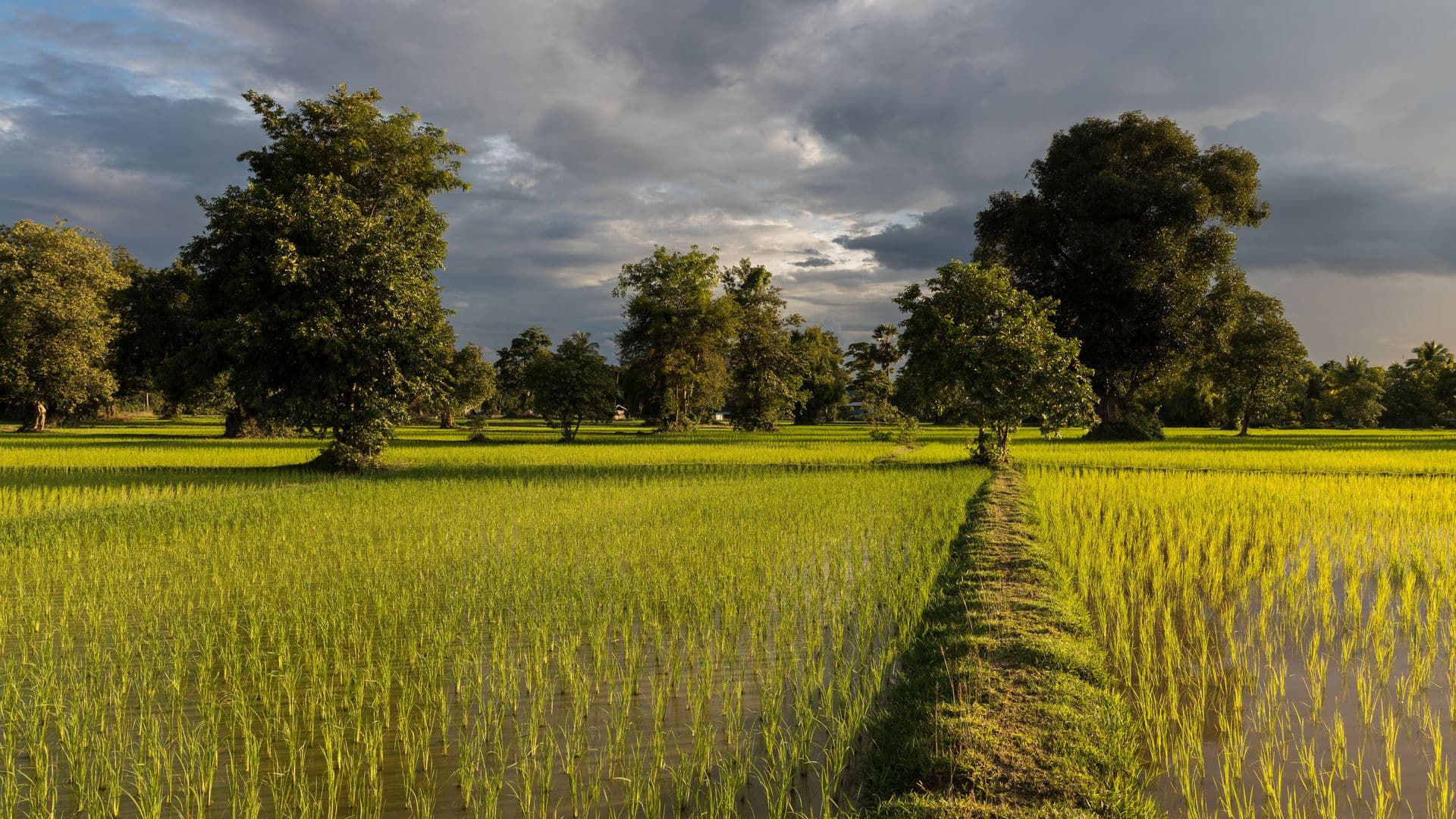
This is the piece we would hand to a buyer standing on a plot in the dry season with a verified title in their bag, feeling finished. Whether your property in Laos will flood makes the case for physical due diligence beside the legal kind: a registry confirms the parcel is lawfully yours and says nothing at all about whether it takes water in August, whether the access road is passable in the rains, or whether the soil will carry what you intend to build. The Mekong and its tributaries are generous and occasionally not, and the difference between a plot that is a pleasure for thirty years and one that is a slow expense is often a metre of elevation nobody thought to check. It is the cheapest survey in the whole purchase and the one most often skipped.

What does a year of it cost, and what can it cost you?
The purchase price is the part everyone models. The year is the part almost nobody does. What it costs to live in Laos once you own a home is our attempt at the honest arithmetic: everyday living, household staff, utilities and the quiet appetite of a pool, healthcare and where it is actually sought, the effect of a weak kip on a life funded from abroad, and the yearly cost of simply keeping a property well. It is not a cheap country in every line, and pretending otherwise helps nobody. Set against a real budget, it is the piece where a plan either holds or shows what it was resting on.
Beside the money sits the exposure. Whether your tenant can get you in legal trouble in Laos is the newest piece in the issue and the least comfortable: let out a villa or a condominium and you inherit a legal duty over what happens inside it. A 2026 enforcement drive made that duty concrete, with landlords warned of fines, forfeited deposits and prosecution over what their tenants did behind a door they never opened. The remedy is unglamorous and it works: know who is in your property, register them properly, write the lease that lets you act, and keep the records that prove you did.

Was one of the neighbours the better answer?
It is the question nobody puts in writing and everybody asks privately, so we wrote it down. Laos against Thailand, Cambodia and Vietnam sets the four side by side with no thumb on the scale: none of them lets a foreigner own land, all four now allow a home in your own name by one route or another, and each suits a genuinely different buyer. The comparison runs across ownership, entry cost, tax, currency and visas, and it will send some readers to Bangkok or Da Nang with our blessing. A firm that only ever argues for its own market is not advising, it is selling. A buyer who has honestly weighed the neighbours arrives at Laos for reasons that will still hold in ten years.

So what does No. V add up to?
Put the seven together and a shape appears that no single piece shows on its own. Ownership in Laos is inexpensive to hold and light to tax, which is the good news and the reason the arithmetic works at all. What it asks in return is attention: to the instrument that holds it, because the term depends on the counterparty and not on you; to the ground, because paper is silent about water; to the year, because a household costs more than a purchase model admits; to the tenant, because a duty you did not know you had is a duty all the same; and to the alternatives, because a decision taken without them is a preference rather than a judgement.
None of that is discouragement, and we have been careful to keep it from reading as one. The title still matters most, and No. IV remains where a buyer should start. But a title well held is a different achievement from a title well obtained, and the second is by far the longer work. Read these seven before your first year rather than during your second. They were written to stand alone and to be read together, and together they are the plainest account we know how to give of what it is actually like to own something in Laos once the celebration is over.
Mayer Julien, for the editors.
This is general information for foreign owners and buyers in Laos, not legal or tax advice. Rules change and individual circumstances differ, so verify anything here with a licensed Lao law firm before you act.