News
No. II: Owning is only the beginning
The first issue of this journal asked the questions a foreigner asks before anything else: whether you can own property in Laos, whether it is worth owning, what the railway is changing, and what the kip does to the value of it all. This second issue begins where that one ended, at the keys. Owning is not the finish line. It is the start of a longer relationship, with a bank, a builder, a tenant, and a country you now move money in and out of. No. II is about the practical life that follows the decision: how you pay for a home, how you make it yours, where it is still worth looking, what it can earn, and whether you can simply live in it.
Why does the second issue begin at the keys?
Because the purchase is the part everyone plans for, and the years after it are the part almost no one does. We watch buyers spend months on the question of whether to buy, and then a single afternoon on everything that comes after they have. A home in Laos is not a transaction you close and forget. It is a standing arrangement: it has to be financed, sometimes built, often let, always paid for in money that crossed a border, and ideally lived in. The buyers who are happiest here are the ones who thought about the second year before they signed in the first.
So this issue brings that second year forward. It gathers the pieces a new owner reaches for once the excitement of the purchase has settled and the practical questions arrive in its place, the ones that decide whether the home becomes a quiet pleasure or a slow source of friction. None of them are difficult on their own. Taken in the wrong order, or not at all, they are exactly where an otherwise good decision turns sour. This is the issue we would hand a friend the week after they got the keys.
How do you actually pay for it?
Most foreign buyers in Laos pay cash, and there is a plain reason for it. Lending to foreigners is limited, more expensive than at home where it exists at all, and rarely the lever it would be in a mature mortgage market. Whether you can get a mortgage in Laos answers that honestly: what local banks will and will not do, why the terms are what they are, and why a buyer who has built a plan around borrowing here usually has to rebuild it around equity instead.
Which makes the real financing question not how you borrow, but how you move your own money. Getting your money in and out of Laos is the piece we ask every client to read before they wire a single dollar. Funds brought into the country through the banking system, properly documented, are what give you the right to take your money out again when you sell. Rush that step to hit a closing date, settle in cash off the record, and good money strands itself in the wrong place for years. Plan the transfer as early as the offer, never the week of the signing.
How do you make a house your own?
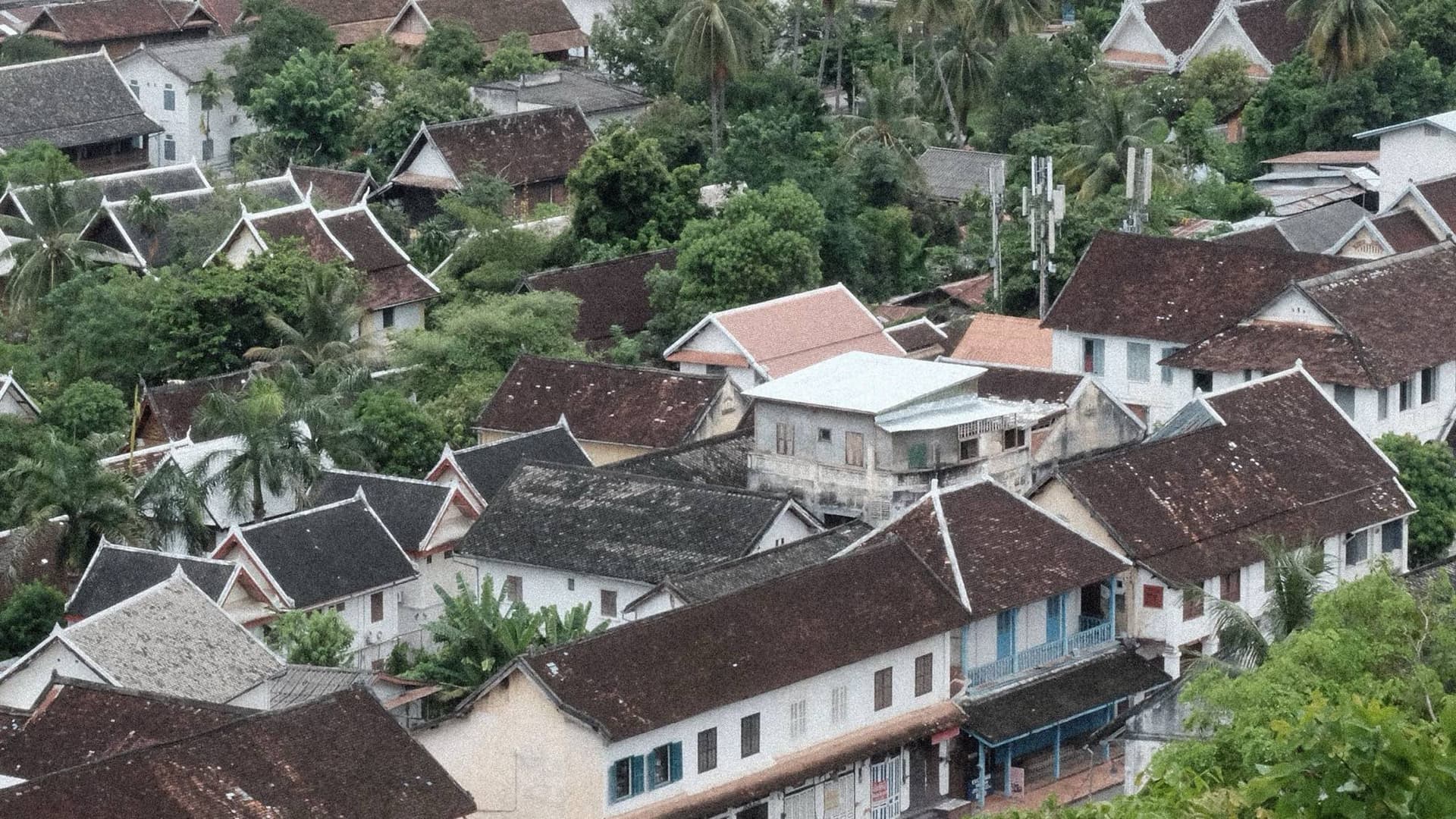
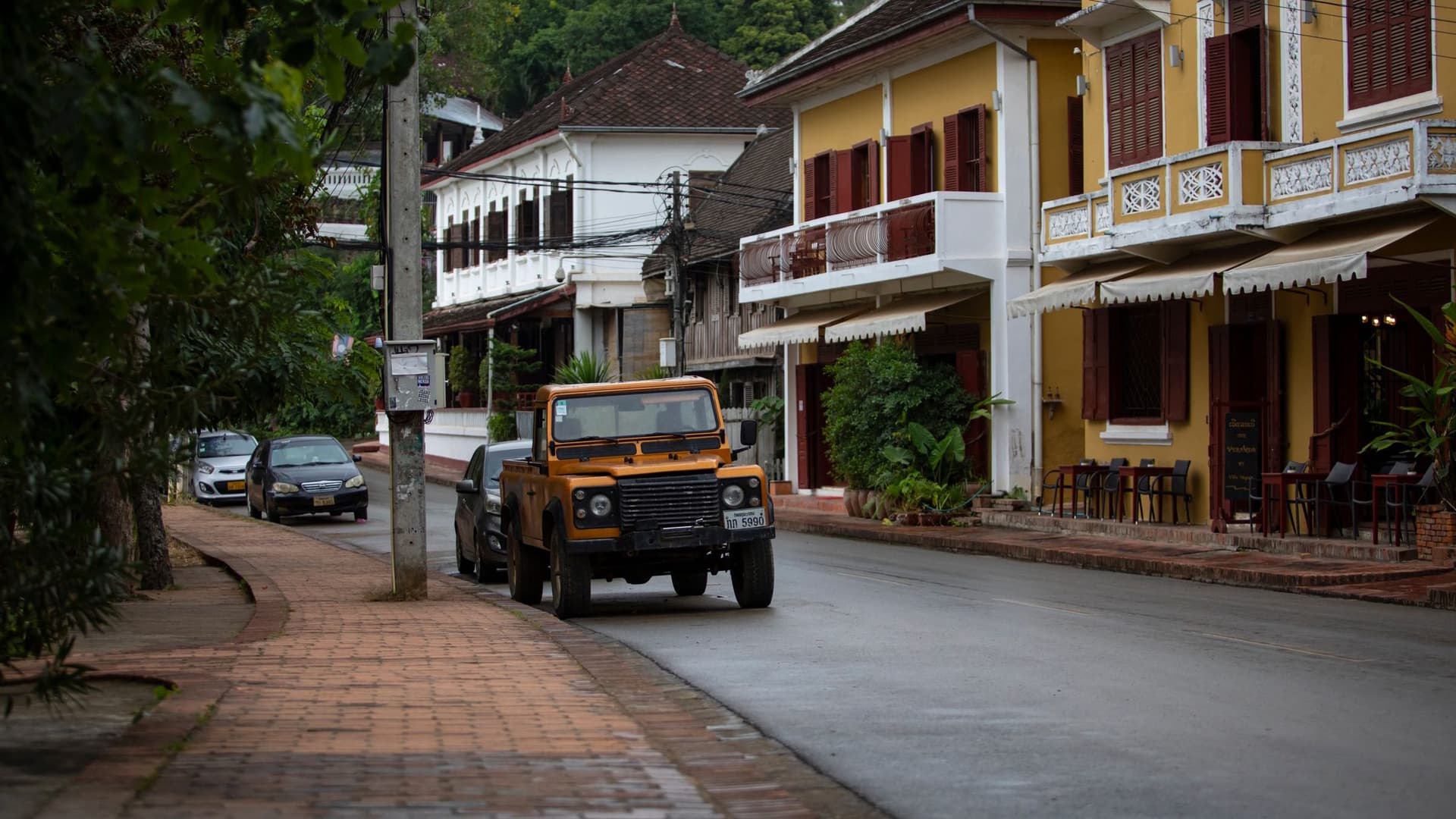
Few homes arrive finished the way the owner actually wants to live. A villa needs reworking for the light and the heat; an older Lao house, all teak and shade, asks to be brought gently up to date without being stripped of the very thing that made it worth buying; a bare plot waits for something to be built on it well. Each of those is a project, and a project in Laos rewards the patient and punishes the rushed.
Building or renovating property in Laos sets out the ground a foreign owner stands on here: how permits work, how to find and hold a builder to a standard, the honest realities of materials, labour, and time, and why doing it properly, to a level that holds its value, costs more and takes longer than the first estimate but is the only version worth doing. Build cheap in a small market and you build something you cannot sell. Build well and you have made the one asset that is genuinely yours: the structure, on land you hold, finished to a standard the next careful buyer will pay for.
Where is it still worth looking, and will it earn its keep?
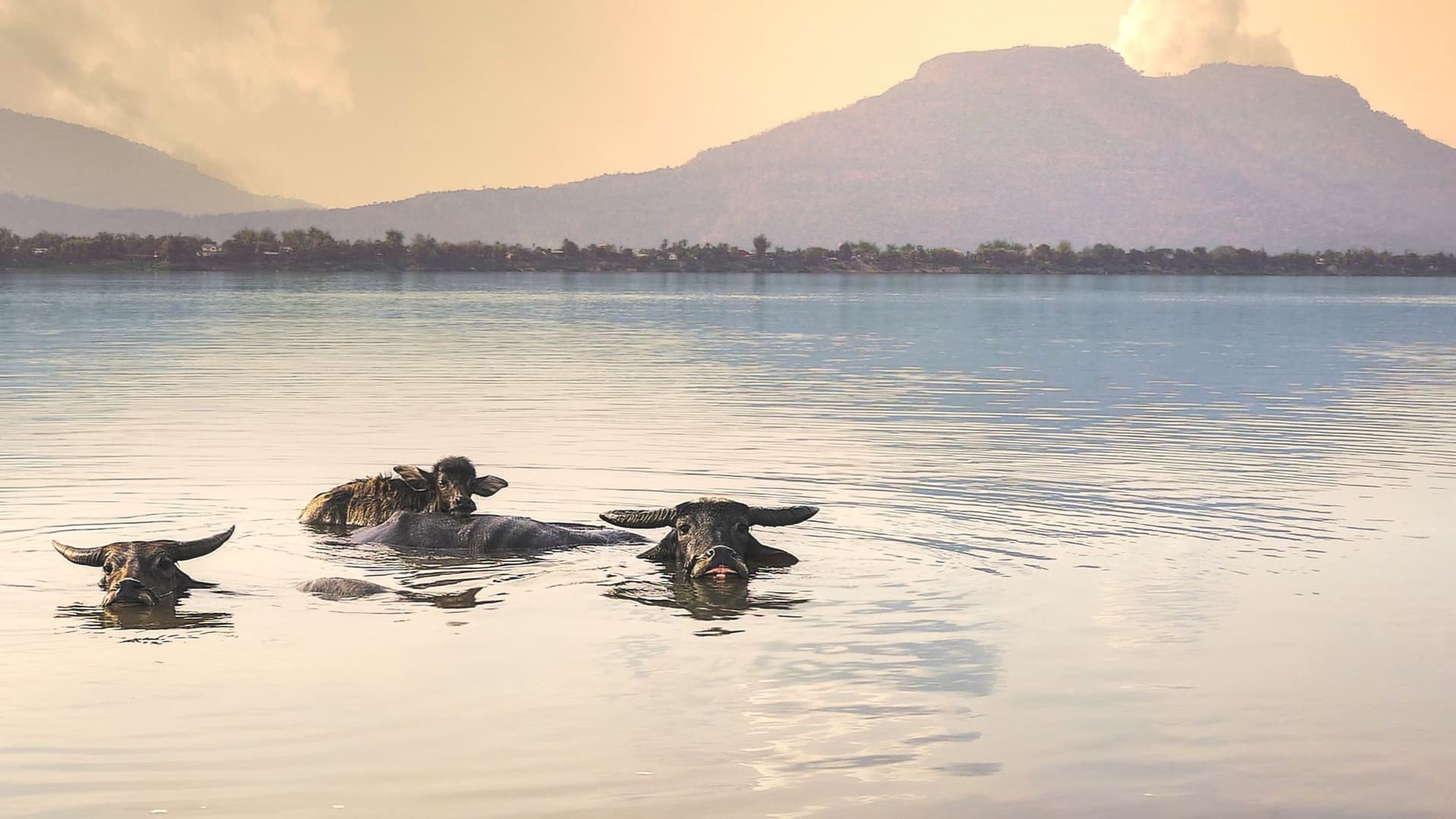
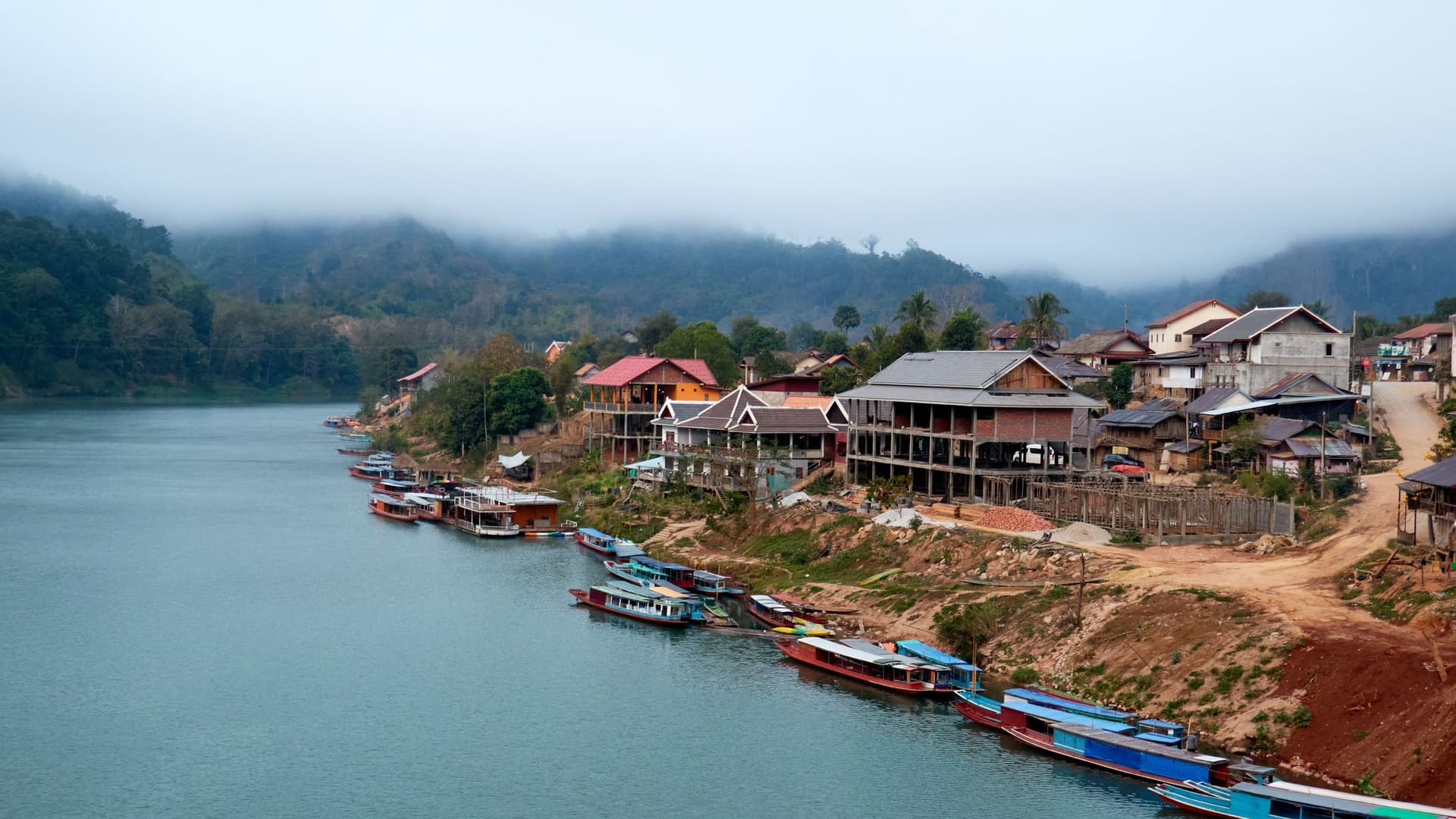
The obvious addresses are obvious for good reasons, but value is often found a little off the main road, by the buyer willing to look earlier than the crowd. Southern Laos, the quiet frontier, makes the case for the south: Pakse and the Bolaven Plateau, the slow river country toward the border, a part of the nation where prices have not yet caught the story and the light is some of the best in the region. It is not for everyone, and we say so plainly, but for the right temperament it is the kind of early that rewards patience.
And wherever you buy, the question of yield follows close behind. Renting out your property in Laos is the honest read on income: what a foreign owner can realistically let a home for, who the tenants actually are, the management it quietly demands, and the difference between the gross figure a listing implies and the net one that lands in your account. A property that earns is a property you can hold without strain, but only if the rental story was sober from the start.
And can you actually live there?
Underneath every practical question in this issue is a quieter one. Not whether the asset performs, but whether the life is good. Whether you can live in Laos if you buy property is the most personal piece we have published, because owning a home and being allowed to live in it are two entirely different permissions, and the buyer who confuses them learns the difference at the worst time. A title is not a visa. A deed does not, by itself, let you stay.
The piece sets out what owning does and does not give you in the way of the right to remain: the visa routes that actually exist, what they ask of you, and the practical texture of turning a Lao property from a holding into a home, the bank account, the bills, the long settling-in that no purchase contract describes. The honest buyer learns this early, decides whether the life suits them as much as the numbers do, and only then lets the place become an address rather than an asset.
So what does No. II add up to?
Set the six pieces side by side and the same thread runs through them that ran through the first issue, only moved one season on. Owning in Laos is the beginning of a relationship, not the closing of a deal. The money has to be moved with care, because the way it comes in decides how it goes out. The home usually has to be made, not just bought. Value still rewards the buyer who looks a little earlier and a little further. Income is real but sober. And living here is its own permission, won separately from the title.
None of that is a pitch, and we have worked to keep it from becoming one. It is the same temperament the first issue was built around, carried into the years after the keys: patient over hurried, honest over flattering, the quiet pleasure of a thing well held over the noise of a thing freshly bought. Read the six pieces in whatever order your own situation calls for. They were written to stand alone and to be read together, and together they are the most honest account we know how to give of what owning in Laos is actually like, once the excitement settles and the living begins.
Mayer Julien, for the editors.
This is general information for foreign owners and buyers in Laos, not legal or tax advice. Rules change and individual circumstances differ, so verify anything here with a licensed Lao law firm before you act.