Buying
Can a foreigner get a 99-year lease in Laos?
Yes, a foreigner can hold a lease in Laos that runs far longer than the usual term, up to ninety-nine years, but only in one specific place: inside a Special Economic Zone. Everywhere else, the law caps a foreigner's land lease at around thirty years, renewable, or up to fifty for an approved investment. Inside a zone, the rules are different, and the long lease is real. That extra tenure is the headline attraction, and it is genuine. But a ninety-nine-year zone lease is not the same as owning land, and it carries risks the standard story leaves out. This is what the long lease actually is, where you can get it, and what to check before you treat it as a substitute for ownership.
Can a foreigner really get a 99-year lease in Laos?
In a Special Economic Zone, yes. Laos does not allow a foreigner to own land outright anywhere in the country, that has not changed and is not changing. What the law does allow is the right to use land through a lease or a concession, and the maximum length of that right depends on where the land sits. Outside a zone, an ordinary foreign lease is commonly written for thirty years with a right to renew, and an approved investment project can reach fifty. A Special Economic Zone operates under its own investment framework, and within it the land concession can run for terms of up to ninety-nine years. So when you read that "you can get a ninety-nine-year lease in Laos," the claim is true, with a single, important condition attached: the property has to be inside a designated zone. Strip away the condition and the headline misleads.
What is a Special Economic Zone, and why does the lease run longer?
A Special Economic Zone is a defined area the government sets aside to attract investment, with its own incentives, its own administration, and its own, more generous land terms. The state grants the zone developer a long master concession over the land, often for the better part of a century, and the developer then builds the roads, the power, and the buildings and sub-leases plots, units, or villas to investors and occupiers. The long tenure you are offered as a buyer flows down from that master concession. You are not being handed something the rest of the country is denied by accident, you are buying a slice of a long-term concession that the zone framework was specifically designed to make possible. That is why the same villa, identical in every other respect, can come with a thirty-year horizon on one side of a zone boundary and a near-century horizon on the other.
Where are these zones, and what do they offer a buyer?
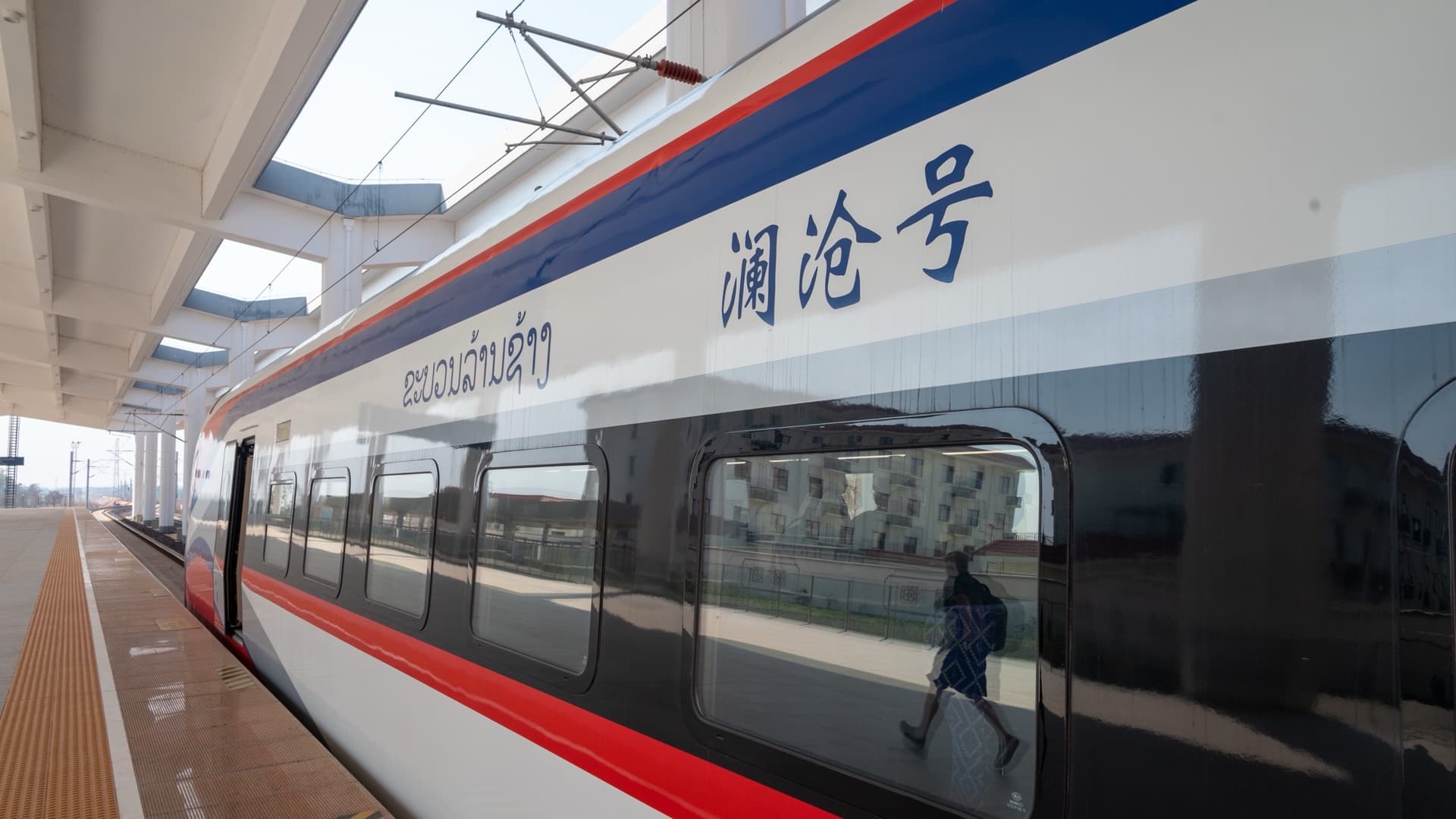
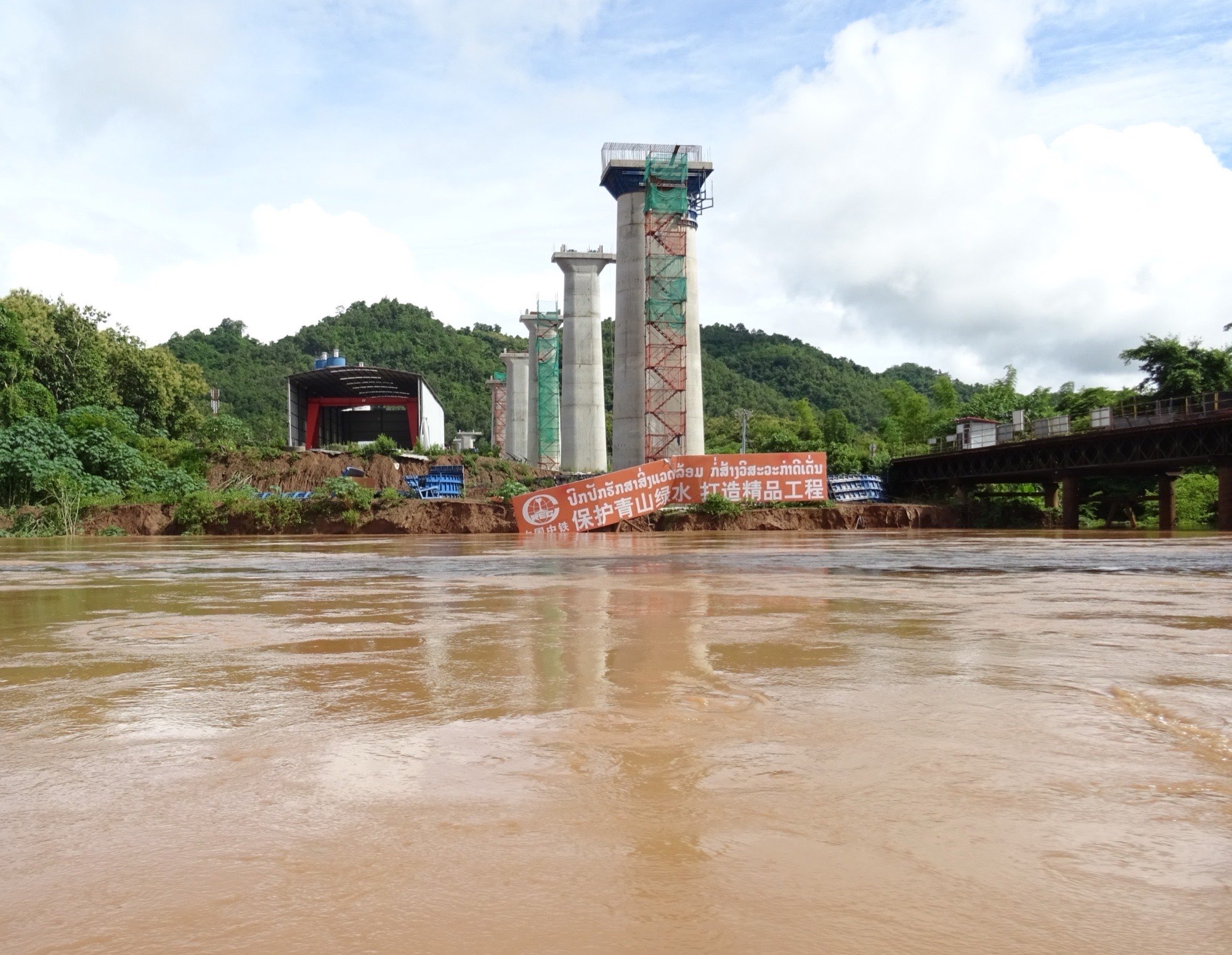
Laos has established a network of Special Economic Zones over the past two decades, scattered along its borders and around its capital. Some are built around manufacturing and logistics, clustered near the Thai border and the Mekong crossings, where the draw is industry rather than homes. Others are mixed developments with residential, commercial, and tourism components, and these are the ones a private buyer is most likely to encounter. The zones strung along the Laos-China railway corridor, in particular the border area in the far north, have drawn the most attention as the railway has matured into a working freight and passenger spine. The promise in these places is a planned, serviced environment with the longest tenure on offer in the country. The reality varies enormously from one zone to the next, and that variation is the whole of the risk.
What are the risks of a 99-year zone lease?
The first and largest is that your long lease is only as solid as the zone itself. You are a sub-tenant under the developer's master concession, which means your ninety-nine years rest on the developer's standing, the validity of its concession, and the zone's survival as a going concern. If the developer fails, defaults, or loses its concession, your position is far weaker than that of someone holding a registered lease or a titled condominium outside any zone. Tie this back to the basics: the thing that protects you is a valid, registered right and a counterparty who endures, and inside a zone both depend heavily on a single private developer.
The second risk is concentration. Many of the larger zones are foreign-developed joint ventures, and a buyer should understand exactly who controls the zone, how financially sound they are, and how the zone is governed, because you will be living inside their rules, their fees, and their management for decades. The third is reputation. A handful of Lao zones have drawn international scrutiny over the activity hosted inside them, and a few carry real regulatory and sanctions baggage. Before you commit, check the specific zone's standing, not the abstract idea of a zone. The fourth is exit. A ninety-nine-year lease is still a leasehold, and it still depreciates: a buyer years from now pays for the years that remain, not the full term, and the pool of buyers willing to take on a sub-lease inside one particular zone can be thin. A long lease improves your starting position, it does not turn leasehold into freehold.
Is a 99-year zone lease better than a normal lease or a condominium?
It depends on what you want and how much risk you will carry. On length of tenure alone, a ninety-nine-year zone lease beats a thirty-year lease comfortably, and for a buyer who wants to settle somewhere for the rest of their life and pass the remaining term to a family member, the extra decades matter. But length is not the only measure of security. A registered condominium unit, where the foreign-ownership framework allows genuine unit ownership, can offer something a zone sub-lease cannot: a freehold-style title that does not depend on a single developer's concession. A properly registered ordinary lease, shorter but outside any enclave, answers only to the national land register and the contract, not to a zone authority. The right answer is not "the longest lease wins." It is the asset whose security matches the number of years you actually need and the level of dependency you are willing to accept.
How should a foreign buyer approach a zone purchase?
With the same discipline you would bring to any Lao property, plus a few zone-specific checks:
- Read the master concession. Confirm the zone developer holds a valid, registered concession, see its term, and understand that your lease cannot outlast it. Get the remaining term in writing.
- Investigate the developer, not just the villa. Who owns and controls the zone, how sound are they financially, and what is their track record? Your tenure depends on their survival.
- Check the zone's reputation and any sanctions exposure. Standing varies sharply between zones. Verify the specific one, not the category.
- Understand the rules you are buying into. Fees, management, transfer restrictions, and what happens at the end of the term. You are entering a governed enclave for decades.
- Price in the depreciation. Treat it as the long leasehold it is, and ask how you would resell the remaining term, and to whom.
- Use an independent, Lao-licensed adviser. Not the zone's own sales office. Have your own lawyer verify the concession, the sub-lease, and the registration.
A ninety-nine-year lease inside a Special Economic Zone is one of the most attractive tenures a foreigner can secure in Laos, and for the right buyer in the right zone it is a genuine opportunity. It is also the option where the gap between the brochure and the paperwork is widest. The length is real. So are the strings attached. Buy the zone as carefully as you buy the home.
This article is general information, not legal advice. Special Economic Zone terms, concessions, and foreign-ownership rules differ from zone to zone and can change. Before committing to any purchase or lease, verify the current rules and the specific zone's standing with a qualified, Lao-licensed law firm.