
Buying
Can the Lao State Take Your Land?
Can the Lao state take land you have bought? In principle yes, because in Laos the State owns all land and you hold a right to use it, and that right can be reclaimed for a genuine public purpose such as a road, the railway, or a public utility, with compensation provided for by law. In practice, for a well-chosen property that you have verified properly and that sits away from an infrastructure corridor or a protected zone, this is a manageable and checkable risk, not a reason to stay out of Laos. The buyers who get hurt are almost always the ones who bought cheap raw land inside a planned right-of-way without checking. The protection is due diligence, not luck.
A word on what follows. This is general information about how expropriation works in Laos and how a foreign buyer can read the risk, not legal advice and not a comment on any specific plot. Land files, zone schedules, and master plans in Laos are often not public, so treat anything specific to a parcel as something to verify on the ground, with the provincial land authority and a Lao-licensed firm, before you rely on it.
Who actually owns land in Laos?
Start from the rule that governs everything else. In Laos no private person owns the soil. The State owns all land as the property of the national community, and everyone else, Lao citizens included, holds land-use rights over it. A Lao citizen with a permanent Land Title holds the strongest, freehold-equivalent version of that right. A foreigner holds a narrower version: a registered condominium unit under the 2024 Condominium Decree, a long-term lease, or, above a high investment threshold, a limited land-use right for a primary residence. You can read the detail of those modes elsewhere on this journal.
This matters for expropriation because of what it means at the root. When the State reclaims land for a public project, it is not seizing something it never had a claim to. It is withdrawing a use-right over land it ultimately owns, which is why the legal question is rarely "can it do this" and almost always "on what grounds, with what notice, and for what compensation". Understanding that frame is the difference between panic and a checklist.
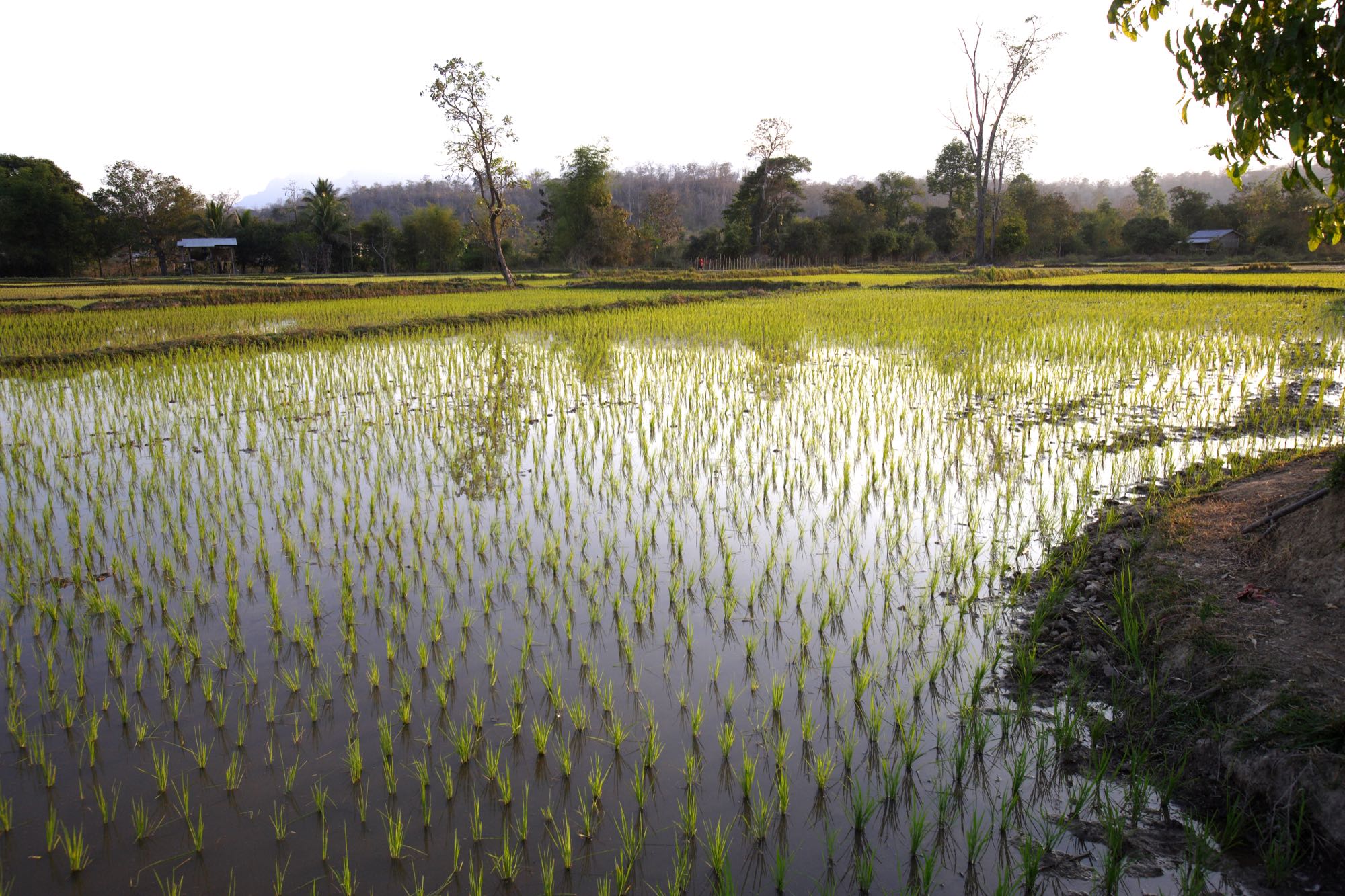
When can the State take it, and is there compensation?
The governing statute is the Law on Land, No. 70/NA of 2019. It allows the State to recover land-use rights where the land is genuinely needed for a public interest, the familiar categories being roads and highways, the railway, power and water infrastructure, public buildings, and planned urban redevelopment. The key word is public interest. The State is not supposed to expropriate one private owner simply to hand the plot to another, and a taking outside a real public purpose is, on paper, unlawful.
Compensation is provided for. Lao law, through the Land Law and a separate framework on compensation and resettlement for people affected by development projects, requires that an affected holder be compensated and, where people are displaced, resettled. Be honest about the practice, though. Compensation is assessed administratively, often against a zoned reference value rather than an open-market price, and the gap between the two can be real. Timely, well-documented claims are treated far better than late or undocumented ones. So the law gives you a right to be paid; the paperwork you kept decides how strong that right is.
What does the railway corridor show in practice?
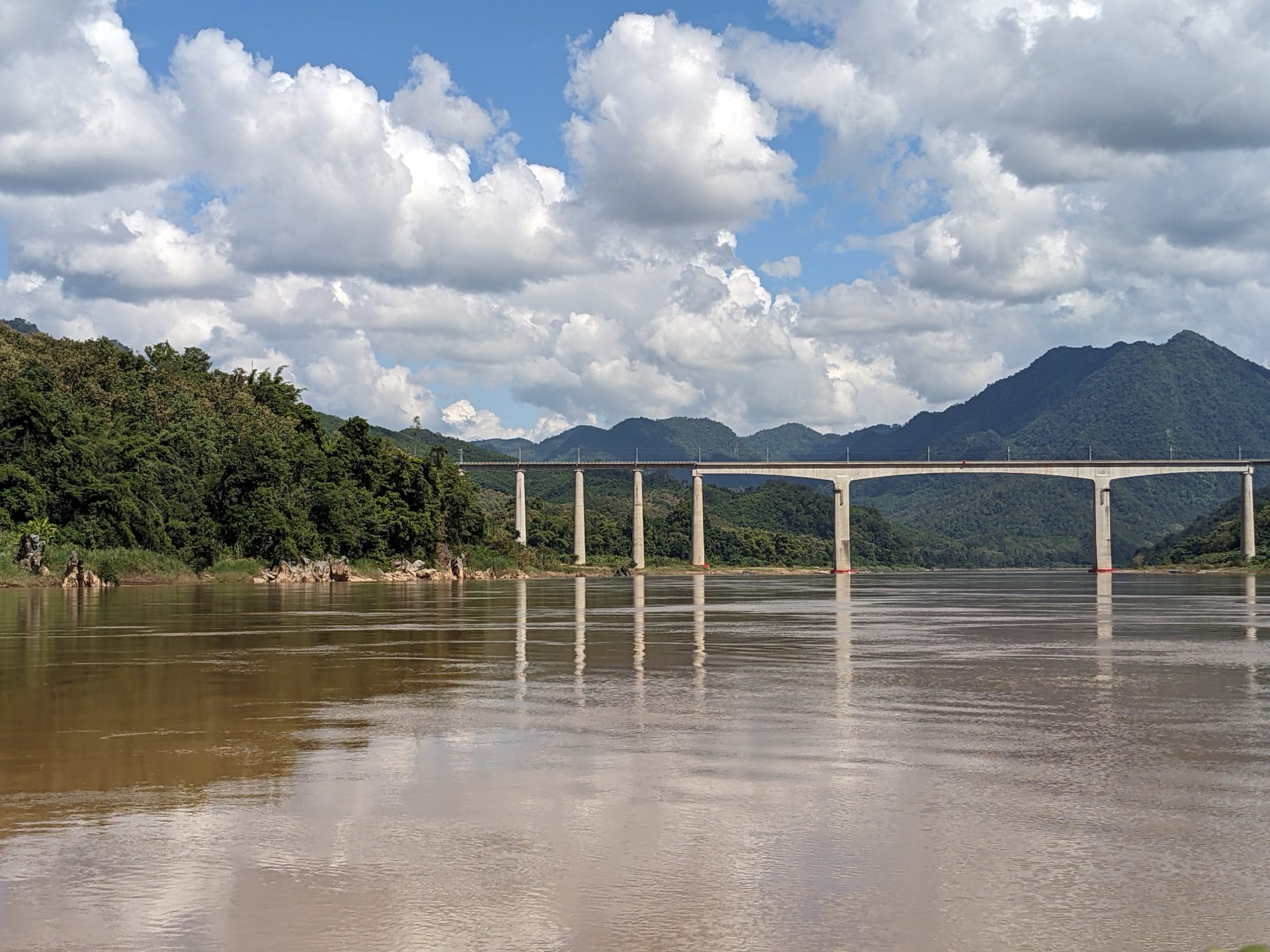
The clearest recent illustration is the China-Laos Railway. Through the first half of 2026 the authorities ran a formal land-compensation process for plots affected by the line and its works around the capital. A claims window for affected residents across dozens of villages in several Vientiane Capital districts closed in the middle of June 2026, with claims filed in person at the provincial public-works authority, and land left unclaimed by the deadline treated as reverting to the State. The lesson is not that the railway is dangerous. It is that a major taking like this is announced, mapped, and time-bound. The corridor was known. The people most exposed were those who were absent, undocumented, or unaware, not those who held a registered title and were paying attention.
The same pattern is forming around the next wave of infrastructure. Expressway sections toward the Chinese border are moving through feasibility, and large zones around the main railway stations have been earmarked for development. None of this is hidden. It sits in agreements, station master plans, and the local press. For a buyer, that is good news: the highest-risk land is exactly the land you can identify in advance and decline.
How exposed is the property you are looking at?
Expropriation risk is not a flat number across Laos; it is a gradient, and where your purchase sits on it is knowable before you pay. At the high end is cheap raw land inside or beside a planned corridor, a protected or forest zone, or a redevelopment area such as parts of Vang Vieng undergoing major change. Plots like these are attractive precisely because they are cheap, and they are cheap partly because of this risk. In the middle is ordinary titled land, away from corridors, with a verified permanent Land Title and clear boundaries; here the risk is low and mostly theoretical. At the low end is a registered condominium unit, where you own the unit rather than the land beneath it, and which by its nature sits in a built-up, serviced area rather than in the path of a new road.
None of this requires inside knowledge. It requires asking where the plot sits relative to the things the State builds, and being willing to walk away from a bargain whose discount is really a hidden corridor.
What due diligence actually protects you?
The checks that reduce expropriation exposure are the same checks that protect against every other land risk, which is why doing them once protects you broadly. In practice:
- Verify the title at the provincial level. Confirm a genuine, registered permanent Land Title at the provincial land authority, not only at the district office. An unregistered or merely district-level document is the first warning sign.
- Check the zone. Establish that the plot is not protected, forest, or state-reserved land, where building is not permitted and the State's claim is strongest.
- Read the plot against the plans. Ask whether it falls inside a known infrastructure right-of-way, a station development zone, or a master-plan redevelopment area.
- Ask whether any claim is pending. A plot already inside a compensation process is one to avoid, not to inherit.
- Survey the boundaries before paying. Have an official surveyor mark the limits, so that what you buy is what is on the title.
- Register the real price. A clean, truthful registration is what later makes a compensation claim, or a resale, defensible.
This is precisely the work a careful buyer, or an advisor doing it on their behalf, should complete before any money moves. It is unglamorous and it is the whole game.
If it does happen, what is your recourse?
Set expectations honestly. Expropriation for a genuine public project is an administrative act of the State, not a private dispute, so your route is the compensation and claims process rather than a lawsuit to keep the land. You negotiate the valuation, you document your loss, and you press your claim through the responsible authority within the published window. Where a dispute is genuinely commercial rather than a public taking, Laos does have a ladder of mechanisms, from negotiation and local mediation up through its economic dispute resolution offices, the People's Courts, and, for larger matters, foreign arbitration. Be aware that a foreign arbitral award still has to be certified by a Lao court to be enforced, and that in a contest over land a Lao counterparty tends to hold the stronger practical position.
What ties all of this together is your paper trail. A registered title in your name, a truthful registered price, surveyed boundaries, and proof you responded to notices on time are what turn a weak claim into a strong one. The recourse, in other words, is mostly built before anything goes wrong.
Expropriation in Laos is real, but it is predictable and it is checkable, which is the opposite of how fear treats it. The State can reclaim land-use rights for a true public purpose, with compensation, and the places where that is most likely are the corridors and zones you can map before you buy. Choose verified, titled property away from those paths, or a registered unit, keep your paperwork clean, and the risk shrinks to a remote and well-compensated edge case. The buyers who suffer are the ones who let a low price talk them out of the checks. The quiet luxury of doing this properly is sleeping well after you have signed.
This article is general information about expropriation and land acquisition in Laos and is not legal advice. Laws, zone schedules, and project plans change and are often not publicly available. Verify anything specific to a property with the provincial land authority and a Lao-licensed law firm before you rely on it or commit funds.