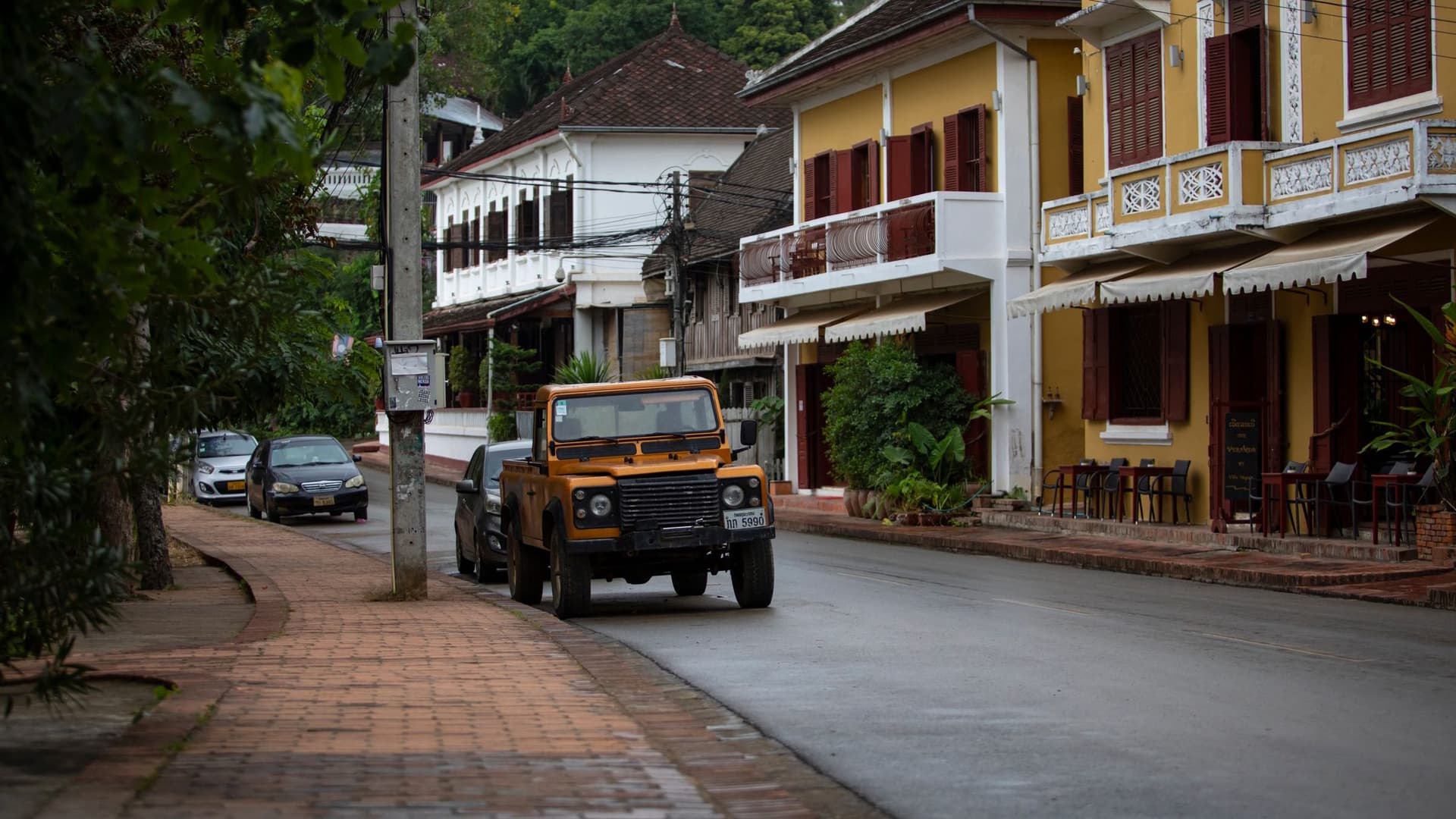
Buying
Can you build or renovate a property in Laos?
Can you build or renovate a property in Laos? Yes, and many foreign owners do. But building here is a craft to manage, not a service to buy. You build on land you hold under a lease, you need a construction permit before you start, and the building itself, unlike the land, is yours to design. What separates a good result from an expensive one is rarely the cost of labour, which is low. It is the quality of the builder, the clarity of the contract, and, in places like Luang Prabang, the heritage rules you must build within. Here is how building and renovating in Laos actually work.
Can foreigners build or renovate in Laos?
Yes. You build or renovate on land you hold, almost always under a registered lease rather than outright ownership, and the structure you put up is yours to design and use. Remember the rule from the land title: what you hold is the land-use right, and the building has no separate ownership document of its own, it rests on the same page as the land. So before you plan a single wall, confirm that your lease actually permits building, and that it runs long enough to justify the spend. A beautiful house on a lease that is too short to enjoy it is a poor trade.
Do you need a building permit?
Yes, always. Construction requires a permit and approvals from the local authorities before any work begins, and building without one invites exactly the kind of trouble a foreign owner does not want. The process runs through the district or provincial offices and covers the plans, the site and the intended use. Treat it as the first real step of the project, not a formality to backfill once the walls are up, and have your Lao-licensed counsel or a trusted local professional handle it properly. A permit secured at the start is cheap. An unpermitted building discovered later is not.
What will it cost, and why is the builder the real variable?
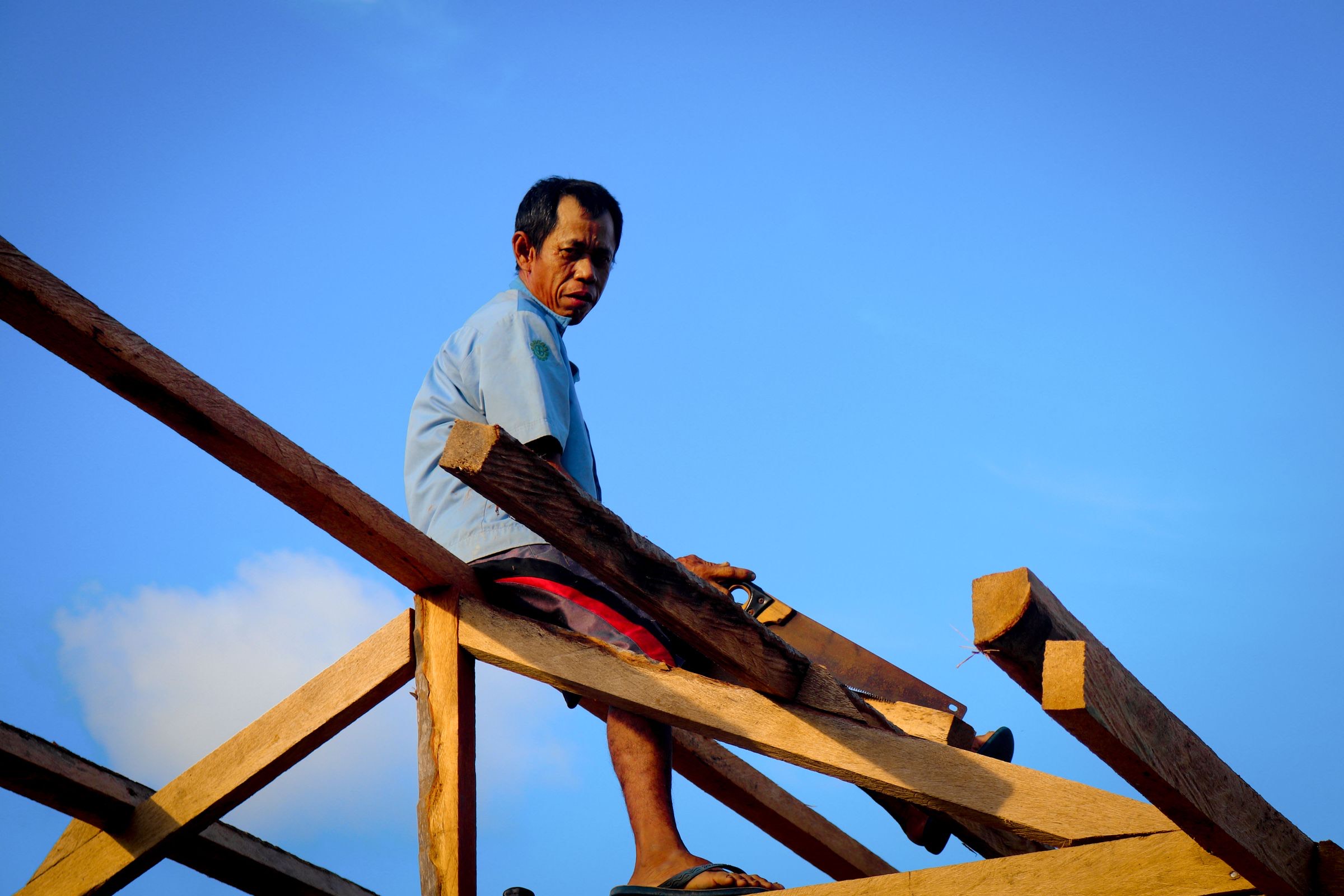
Building in Laos is far cheaper than in the West, and labour in particular is inexpensive. But the headline cost is not where the risk lives. The risk is the builder. Construction is a cash market with limited formal licensing, uneven quality, and little of the warranty culture you may be used to at home. The difference between a sound house and one that leaks at the first heavy rain is the team you choose and how closely the work is watched. Budget for proper supervision and a real contingency, and treat a suspiciously low quote with the same caution you would give a suspiciously low asking price.
How do you choose and manage a builder?
Slowly, and on evidence. Look at finished work you can actually go and stand inside, speak to previous clients, and insist on a written contract that sets out the scope, the materials, the stages and the payments tied to each of them. Pay against progress, never far ahead of it. Keep someone you trust supervising on the ground, because distance and an absent owner are precisely what a weak build relies on. The discipline that protects a purchase protects a project: verify, document, and do not pay ahead of the work. A good builder will welcome that structure. Only a poor one resents it.
Traditional or modern, and what about materials?
Both are built here, often side by side. Lao timber and teak, French-colonial forms and plain modern concrete all coexist, and some materials are imported, frequently from Thailand, which affects both cost and lead times. The choice is partly taste and partly upkeep. Traditional timber is beautiful and asks for maintenance; concrete is durable and can look stark if it is handled without care. Decide early, because the answer shapes the budget, the kind of builder you need, and how gracefully the house will age in a hot, wet climate. The most successful homes here tend to borrow the logic of the old architecture rather than ignore it.
What if you are renovating an old or colonial house?
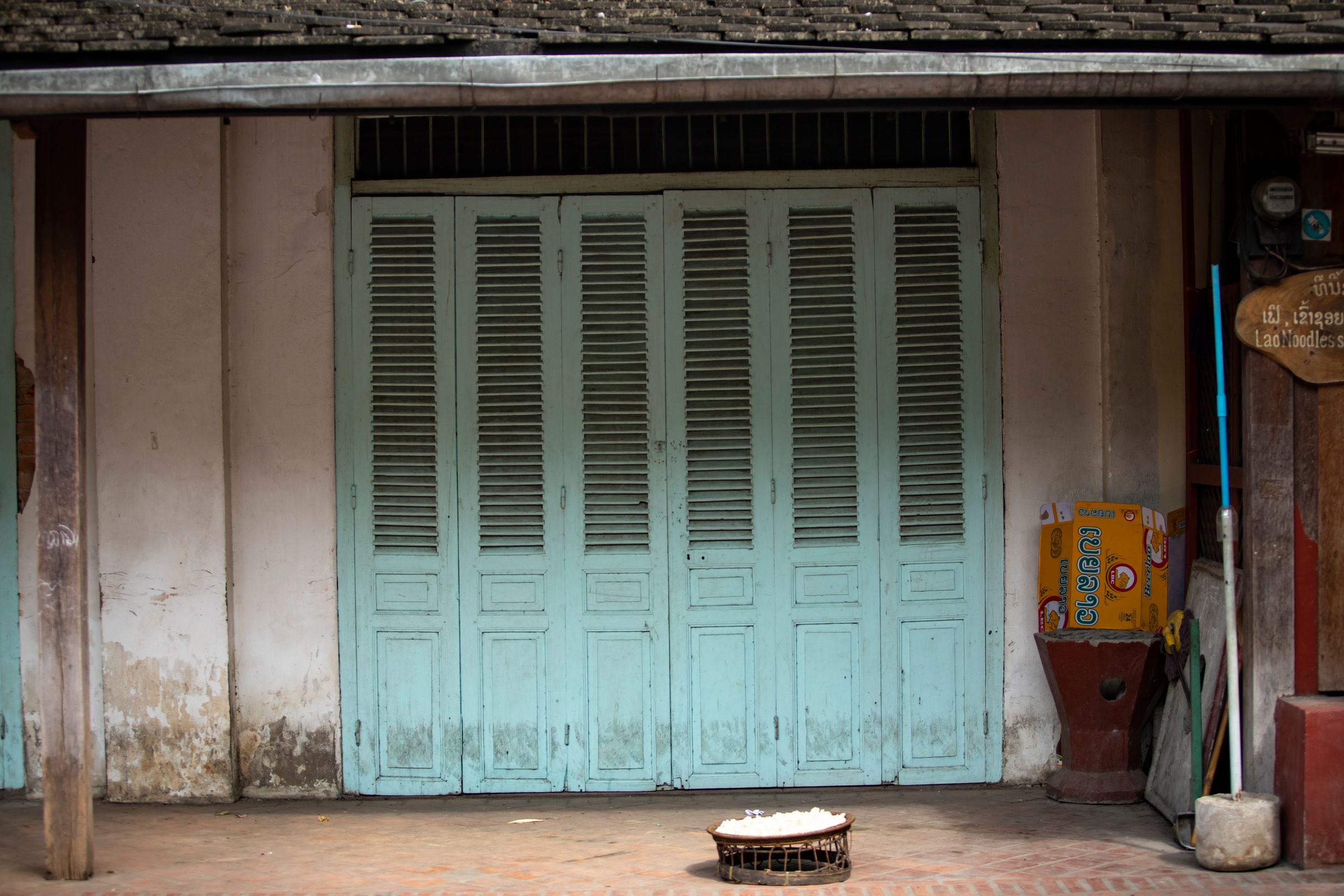
Then heritage rules may govern what you are allowed to do, and nowhere more so than Luang Prabang. The town is a UNESCO World Heritage site with protected zones: the historic quarter is tightly controlled, and even building in the surrounding area must stay in character with it. Renovations there are expected to respect traditional forms and materials, and the local heritage office oversees the work. The recurring failure in the past has been the wrong methods, cement spread over historic timber, modern materials that quietly erase a building's authenticity. A sympathetic renovation needs the right craftsmen and the right approvals, not a fast modernisation that strips out the very thing that made the house worth buying.
How long does it take, and what tends to go wrong?
Longer than you expect, and in the usual ways. The rainy season slows or halts work for months at a time, materials and skilled trades can be scarce outside the cities, and a project run remotely drifts the moment no one is watching. The common failures are predictable: paying ahead of progress, a vague contract, an unsupervised site, skipping the permit, and underestimating the climate. None of them is exotic, and all of them are avoidable with patience, a clear contract, and someone you trust keeping an eye on the work week by week.
How Prime Mekong helps
We do not hand you a plot and wish you luck. We confirm that the lease actually allows building and runs long enough to be worth it, help with the permit and with finding builders whose finished work we can take you to see, and, in heritage areas, steer you toward renovations that respect the place and its rules rather than fight them. We are candid that building here rewards patience and punishes haste, and that the cheapest version is rarely the one you want. Build the house that the land, the lease and the rules will actually let you keep and enjoy.
Tell us what you want to build, and we will tell you honestly what it takes to build it well here.
This article is general information, accurate to the best of our knowledge in 2026, and is not legal or construction advice. Permit, building and heritage rules change and are applied locally. Confirm the specifics with the local authorities and a Lao-licensed firm before you build.