Market
Southern Laos: should the quiet frontier be on your list?
Should you look to southern Laos? For a certain kind of buyer, yes. The south, gathered around Pakse on the Mekong, the cool coffee highlands of the Bolaven Plateau, and the scattered islands of Si Phan Don, is the quieter, slower, least-discovered end of the country. It offers character, space and value that the capital and the northern tourist towns no longer do. It also asks for more patience, because the market here is younger and thinner, and the same caution that protects any Lao purchase matters more, not less. Here is what the south is, who it suits, and what to weigh before you buy.
What and where is southern Laos?
The southern provinces are centred on Champasak, home to the UNESCO-listed Khmer ruins of Wat Phou, and on Pakse, the largest town in the south and its gateway. The Mekong runs through all of it. To the east rise the Bolaven highlands; to the south the river fans out into Si Phan Don, the Four Thousand Islands, before it crosses into Cambodia. It is greener, hotter, slower and far less built up than Vientiane or the northern towns. For a buyer, that is precisely the draw, and precisely the caveat.
Pakse, the river city
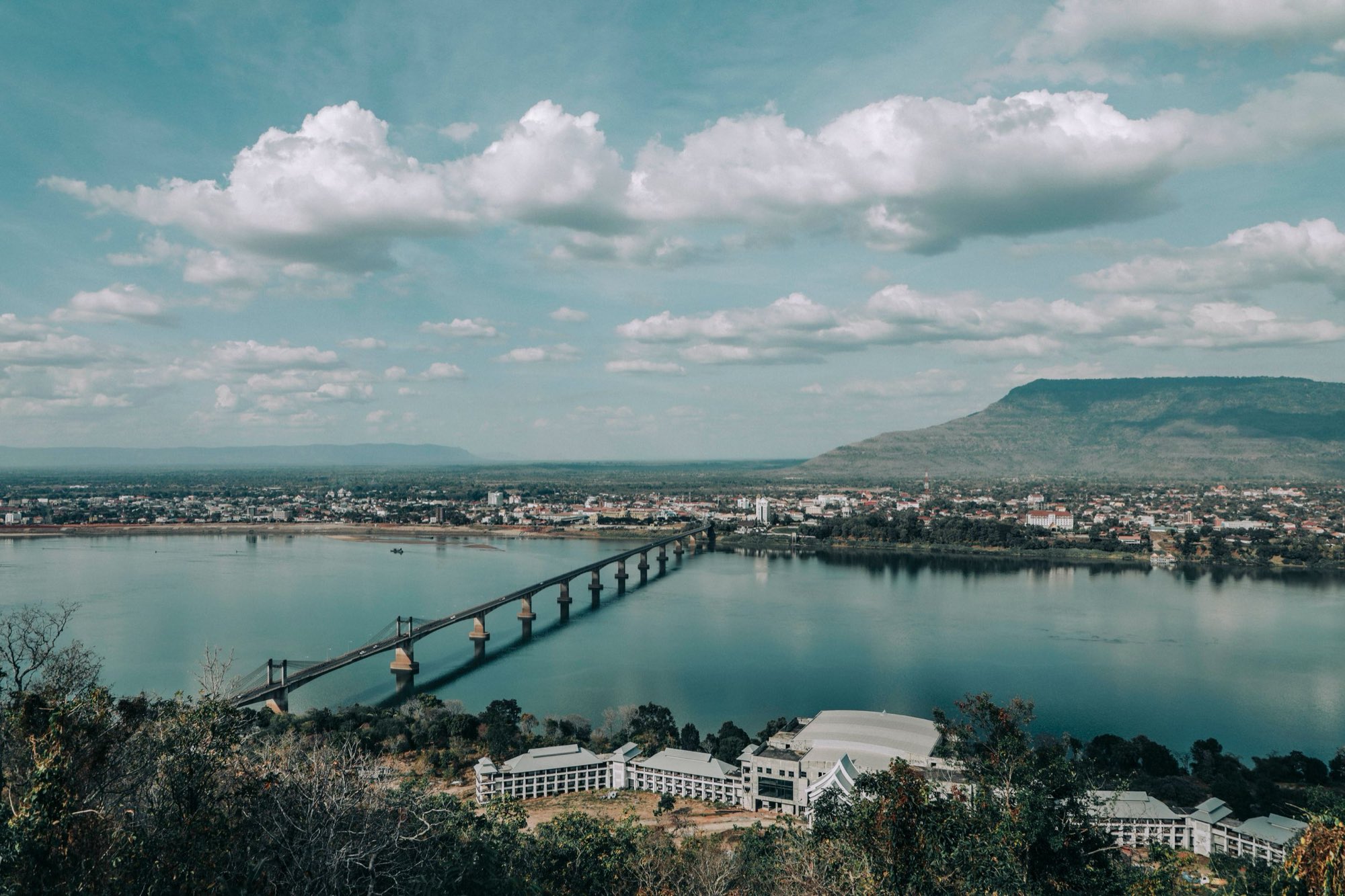
Pakse is the practical heart of the south: an airport, roads to Thailand and to Vietnam, French-colonial buildings strung along the Mekong and the Sedone, and an unhurried, workaday character. It is not a polished resort town. It is a real provincial city with river frontage and a certain faded grandeur. For a buyer, it offers riverside plots and townhouses with genuine character at prices well below the capital, in exchange for a smaller, slower market with fewer formal listings and longer timelines.
The Bolaven Plateau, coffee and cool air
An hour or so up from Pakse, the land rises into the Bolaven Plateau: cooler, fertile highlands of coffee estates first planted in the French era, threaded with waterfalls and blessed with a noticeably gentler climate. Coffee and eco-tourism have drawn fresh interest and investment in recent years, and with them, rising land values. For a buyer drawn to a cooler retreat, a small estate or a piece of highland with a long view, the Bolaven has a particular, patient appeal. It is also genuinely rural: roads, services and trades are thinner here than in any city, and that shapes everything from building to daily life.
Si Phan Don, the Four Thousand Islands
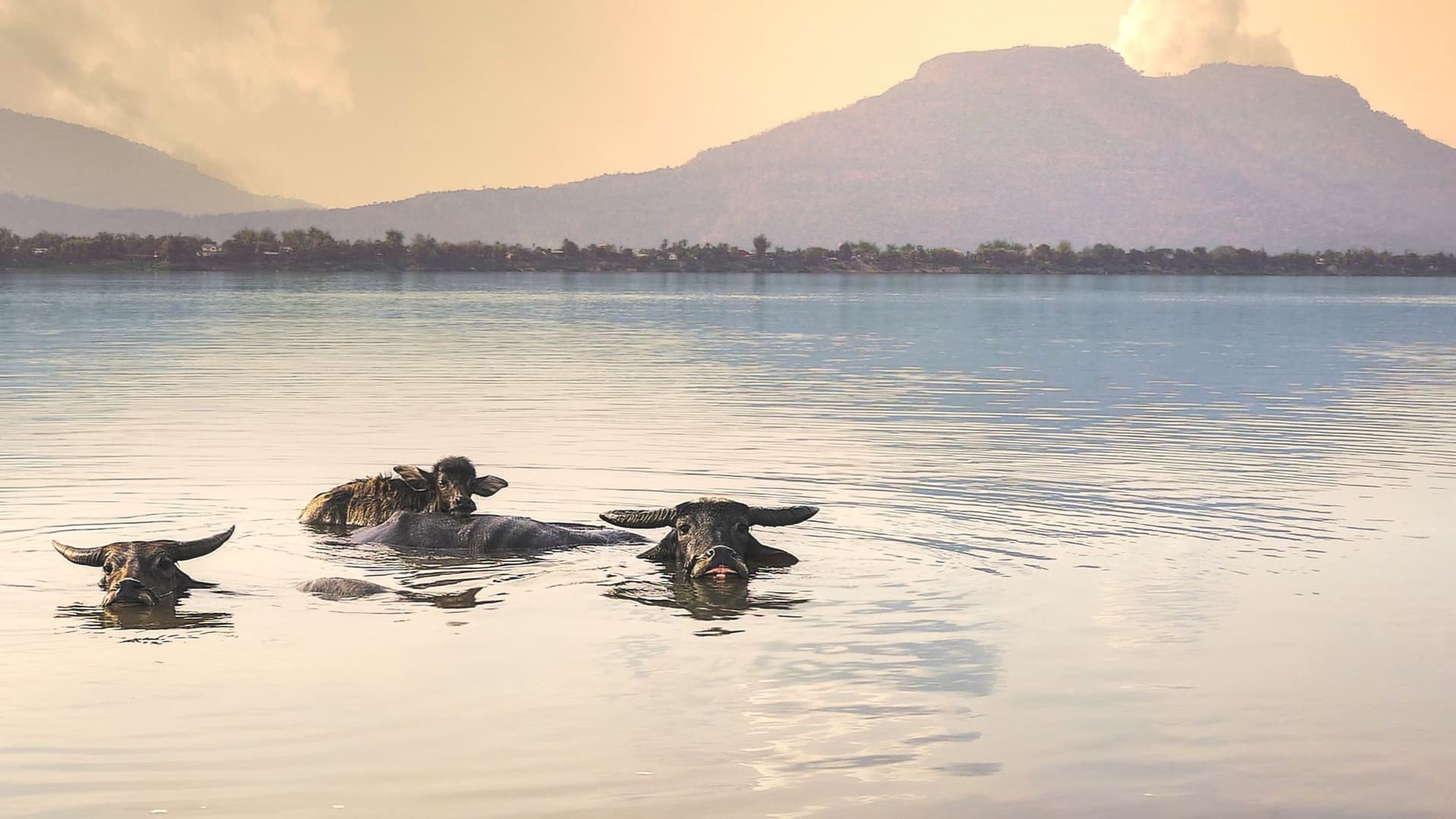
Where the Mekong widens and shatters into islands before Cambodia, Si Phan Don is the south at its most languid: Don Khong, Don Det and Don Khon, riverside guesthouses, hammocks, slow village days and the thunder of the Khone Phapheng falls. It is a destination far more than a property market, and the kind of place where land is held informally as often as it is titled. It is beautiful, and it is precisely where a buyer should tread most carefully of all on title and ownership.
Is the southern market a good place to buy?
It can be, for the right buyer with the right expectations. The south is cheaper and more characterful than the centre and the north, and genuinely less discovered, which is the whole of its appeal. But it is an earlier, thinner market: fewer formal listings, slower sales, less liquidity if you ever need to exit, and a higher share of land that is untitled or held informally. None of that is a reason to stay away. It is a reason to buy slowly, to verify thoroughly, and never to assume the smoother processes of a larger city.
Are the rules different in the south?
No. The legal framework is national. The same limits on foreign land ownership, the same condominium and lease routes, the same land-title categories and the same rules on moving money all apply in Champasak exactly as they do in Vientiane. What differs is the ground reality: more untitled and customary land, fewer registered titles, and offices and records less used to foreign buyers. The law is the same; the diligence is simply harder. If anything, the south is where the discipline taught by every other step, verifying the title at the issuing authority above all, earns its keep most clearly.
What should you weigh before buying in the south?
Access and time first: how often will you genuinely get here, and how connected do you need to be? The south sits well off the railway that is reshaping the north. Title quality next: insist on a registered Land Title and verify it at the provincial authority, because informal holdings are more common here than in the cities. Liquidity: assume it will take longer to sell than in Vientiane, and buy as though you will hold for years. Services: plan to build, manage and maintain knowing that trades and management are thinner on the ground. Buy the south for what it is, a quiet, characterful, long-horizon place, and not for a quick turn.
How Prime Mekong helps
We cover the whole country, and we are candid about where each region suits a buyer and where it does not. In the south that means honest counsel on title and informal land, verification at the provincial authority, realistic talk about access and liquidity, and properties chosen for genuine character rather than a brochure's gloss. The south rewards patience and punishes haste, and the difference between the two is most of what we are paid to see. We would rather talk you slowly into the right plot than quickly into the wrong one.
Tell us what draws you south, and we will tell you honestly what it takes to buy there well.
This article is general information, accurate to the best of our knowledge in 2026, and is not legal advice. Markets and rules change. Verify the specifics, and any title, with a Lao-licensed firm before any transaction.