Lifestyle
Schools and healthcare: can your family live well in Laos?
Yes, a family can live well in Laos, but only if schools and healthcare decide where you buy, not the other way round. In Vientiane a foreign child can follow an International Baccalaureate, British or French curriculum, and private clinics handle everyday care well. Outside the capital the choice of schools narrows quickly, and anywhere in the country serious medical care usually means Thailand: the hospitals of Udon Thani beyond the Friendship Bridge, or Bangkok by air. So the questions that matter are practical ones. Is there a school place for each child, and at what cost in US dollars? How far is the house from a clinic you trust? And what happens if someone falls ill at two in the morning, when the bridge is closed?
The question is a live one this week. Vientiane Capital formally opened the 2026 to 2027 academic year on 31 August, with classes starting on 1 September, and the Prime Minister's message for the new year named teacher shortages among the problems still to solve. The August price figures, published the same day, put inflation at 7.7 percent, with education costs, school fees included, up 12 percent on a year earlier and healthcare, medicines and hospital services included, up 12.4 percent. This guide sets out what a foreign family can expect, and how to let it shape the purchase.
Where can a foreign child go to school in Laos?
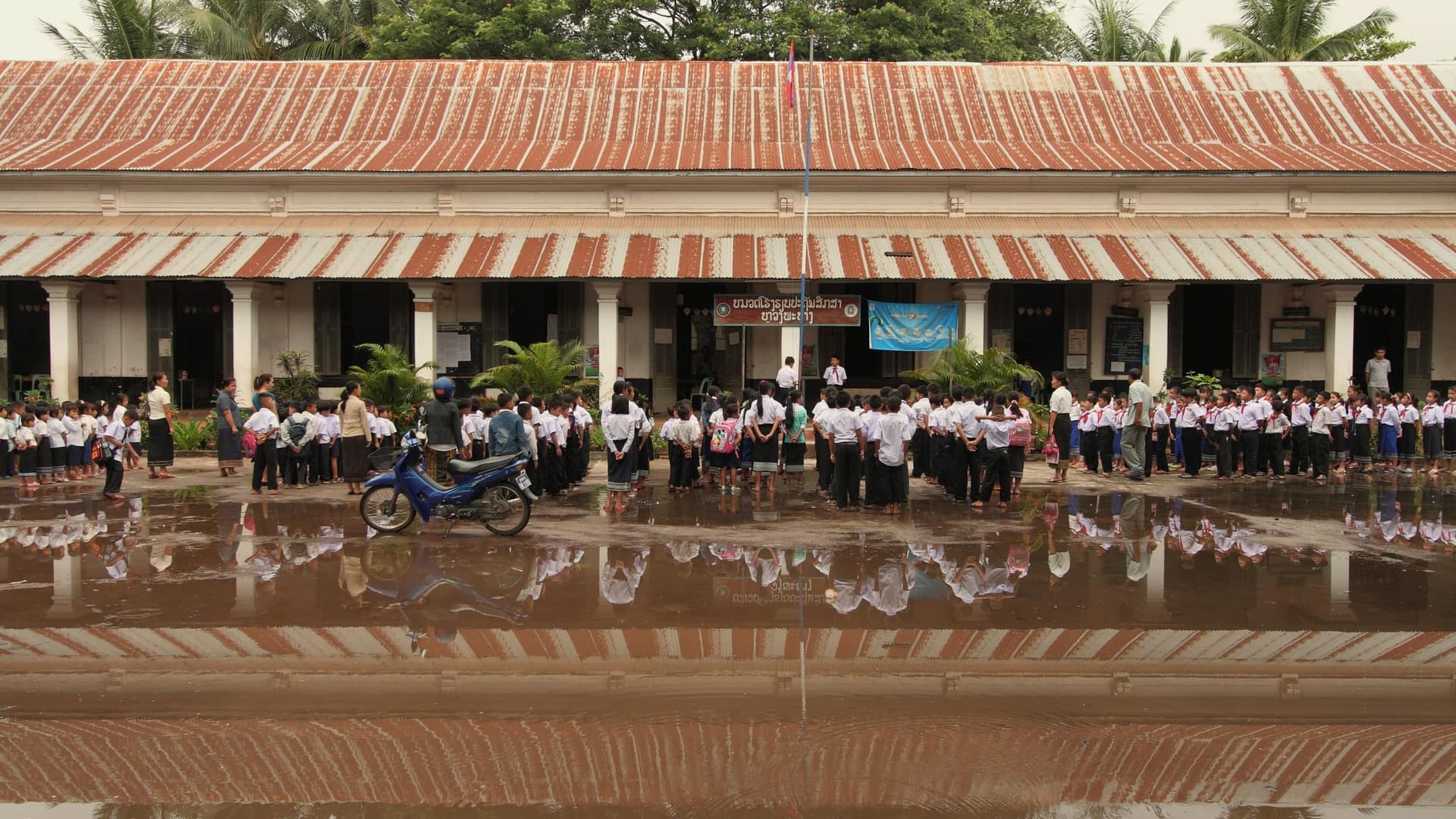
Almost all of the international choice is in Vientiane. The capital has one school authorised to teach the full International Baccalaureate sequence from the early years to the Diploma, Vientiane International School, and a French lycée in the network of the French agency for education abroad, the Lycée français international Josué-Hoffet, which runs from nursery to the French baccalauréat. Around them sits a wider group of private schools teaching the British Cambridge curriculum through to IGCSE and A level, and a number of bilingual schools that teach in English and Lao, usually at a lower fee. There are also schools serving particular communities, Vietnamese and Chinese among them.
The quality varies more than the brochures suggest, and the labels deserve checking. "International" in a school's name is not a guarantee of an accredited programme. Ask which curriculum the school is actually authorised to teach, by which body, and up to which year; ask where last year's leavers went; and ask how many teachers are on long contracts rather than passing through. For a child who will one day move on to a school or university abroad, the continuity of the curriculum matters more than the campus.
Lao state schools teach in Lao, follow the national curriculum and cost very little. Some foreign families choose a local or bilingual school for young children who will grow up in the country, and it can be a gift: a second language learned early, and friends in the village. For older children, or for a family that may leave in a few years, an international programme is usually the safer course.
When does the school year start, and when should you apply?
The national school year runs from September to June, in two semesters, and opens each year with an official ceremony; this year, as above, classes began on 1 September. Most international schools in Vientiane keep their own calendar and start earlier, generally in August, so that by the time a family is reading this the year has already begun.
That timing matters for a purchase. A family that signs for a house in the spring, completes in the summer and arrives in September will often find the school year under way and the class it wanted full. Places in some year groups at the most sought after schools can be limited, and admission usually involves records from the previous school, an assessment and sometimes an interview. The sensible order is the reverse of the instinctive one: secure the school places first, then buy within reach of them. A school will rarely hold a place without a deposit, and that deposit is a small price for knowing the plan works.
What does schooling cost, and why is it rising?
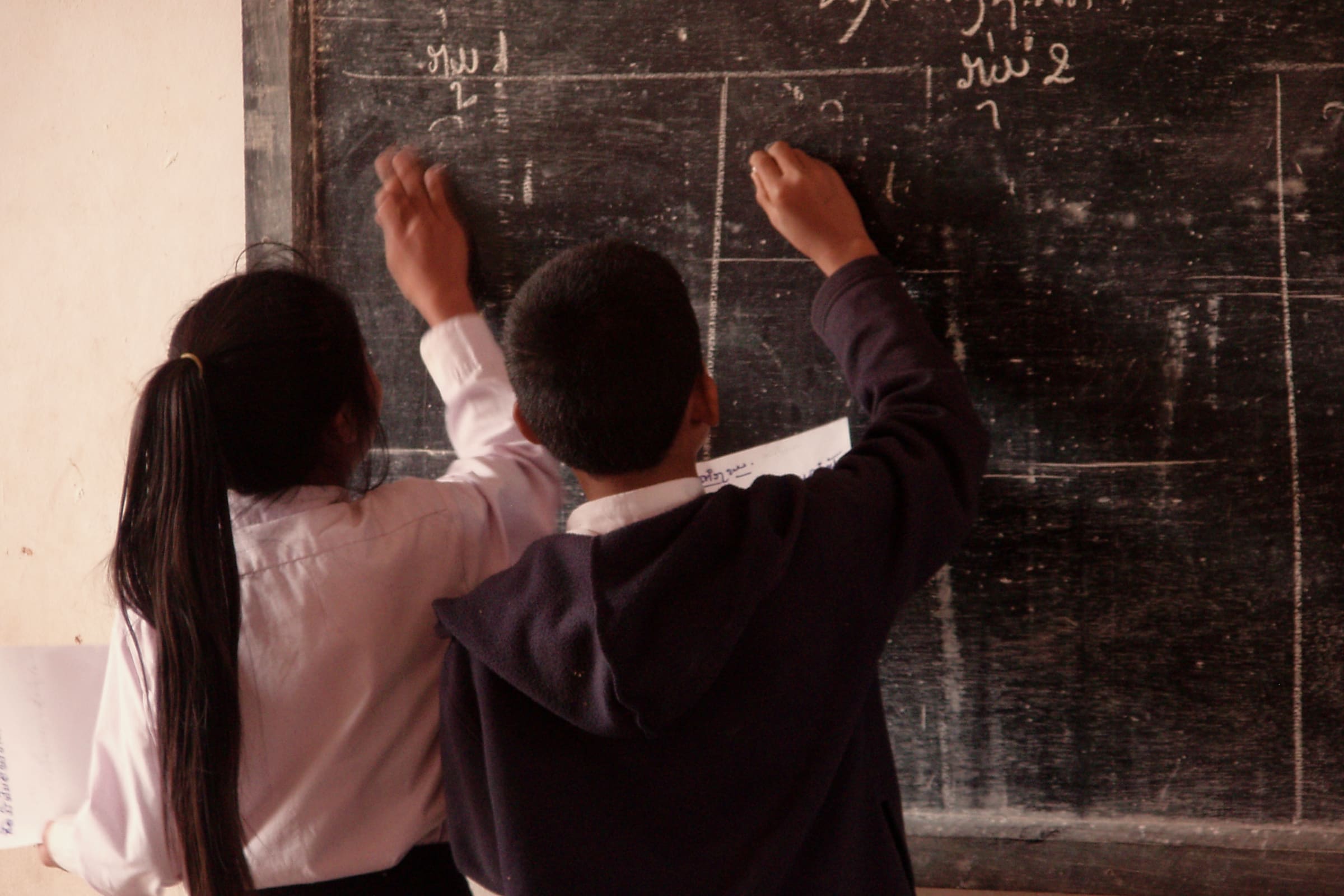
Fees at Vientiane's international schools span a wide range, from a few thousand US dollars a year at the bilingual schools to more than fifteen thousand at the top of the market for the senior years. The schools publish their schedules, so check the current year rather than a figure quoted by a friend. On top of tuition there are usually one-off enrolment or development fees, transport, uniforms, lunches and trips. Ask for the full schedule, not the headline figure, and ask how fees have moved over the past three years.
Two forces push the bill up. The first is general inflation: at 7.7 percent in August, and with education up 12 percent on the year, schools face higher costs and pass them on. The second is the currency. International schools in Laos commonly set their fees in US dollars, so a weaker kip does nothing to lighten them, while a family whose income is in euros, pounds or Australian dollars feels every movement in its own exchange rate. For a family with two or three children, schooling is often the largest single item in the household budget, larger than the running costs of the house itself, and it belongs in the purchase calculation from the start.
What if you buy outside Vientiane?
Then the trade-off changes. Luang Prabang offers the quietest and most beautiful life in the country, and Vang Vieng a riverside setting that draws more buyers every year, but neither has the range of international schooling that the capital offers, and the private clinics are fewer. In the south, Pakse and Savannakhet are better served than most provincial towns, yet the picture is similar.
The railway has softened the choice without removing it. Vang Vieng is about an hour from Vientiane by train, and Luang Prabang about two, which makes a weekend house within reach for a family based in the capital, and makes a referral to a Vientiane clinic a matter of hours rather than a day on the road. It does not make a daily school run possible. Families who settle outside the capital tend to choose between three arrangements: a local or bilingual school with English support at home, an online or distance programme supervised by a tutor, or a base in Vientiane during term with the provincial house as the place for holidays. Each can work. None should be discovered after the deposit is paid.
What healthcare can you count on inside Laos?
For everyday needs, a good deal. In Vientiane, private clinics used by foreign residents handle consultations, vaccinations, minor injuries, infections and dentistry competently, often with English or French spoken, and the large public hospitals of the capital, Mahosot and Mittaphab among them, carry most of the country's specialist capacity. What is thin is depth: intensive care for children, complex surgery, cardiology, oncology and difficult births are where most foreign families, and many Lao families who can afford it, turn to Thailand.
Two recent episodes are a reminder to check who is treating you. In July the Ministry of Health suspended a private hospital in Vientiane while allegations of organ trafficking are investigated, and in August it made public a directive giving unlicensed medical, dental and beauty facilities until 30 November to obtain a licence from the provincial or capital health department. Before you rely on a clinic for your children, ask to see its licence, and ask which hospital in Thailand it refers patients to and how.
The seasons matter too. Dengue rises with the rains, typically from May to August with the peak in July and August: by 24 August the country had recorded 4,371 cases this year, with Vientiane Capital the highest at 706, and no deaths. Screens, repellent and an eye on standing water around the garden are part of owning a house here. In the north, the burning season, roughly from February to April, brings smoke to the valleys, Luang Prabang included, and families with young children or asthma often plan to be elsewhere for a few weeks. Travel clinics commonly recommend that long-stay residents discuss vaccines such as Japanese encephalitis and rabies before they arrive.
What happens in a serious emergency at night?
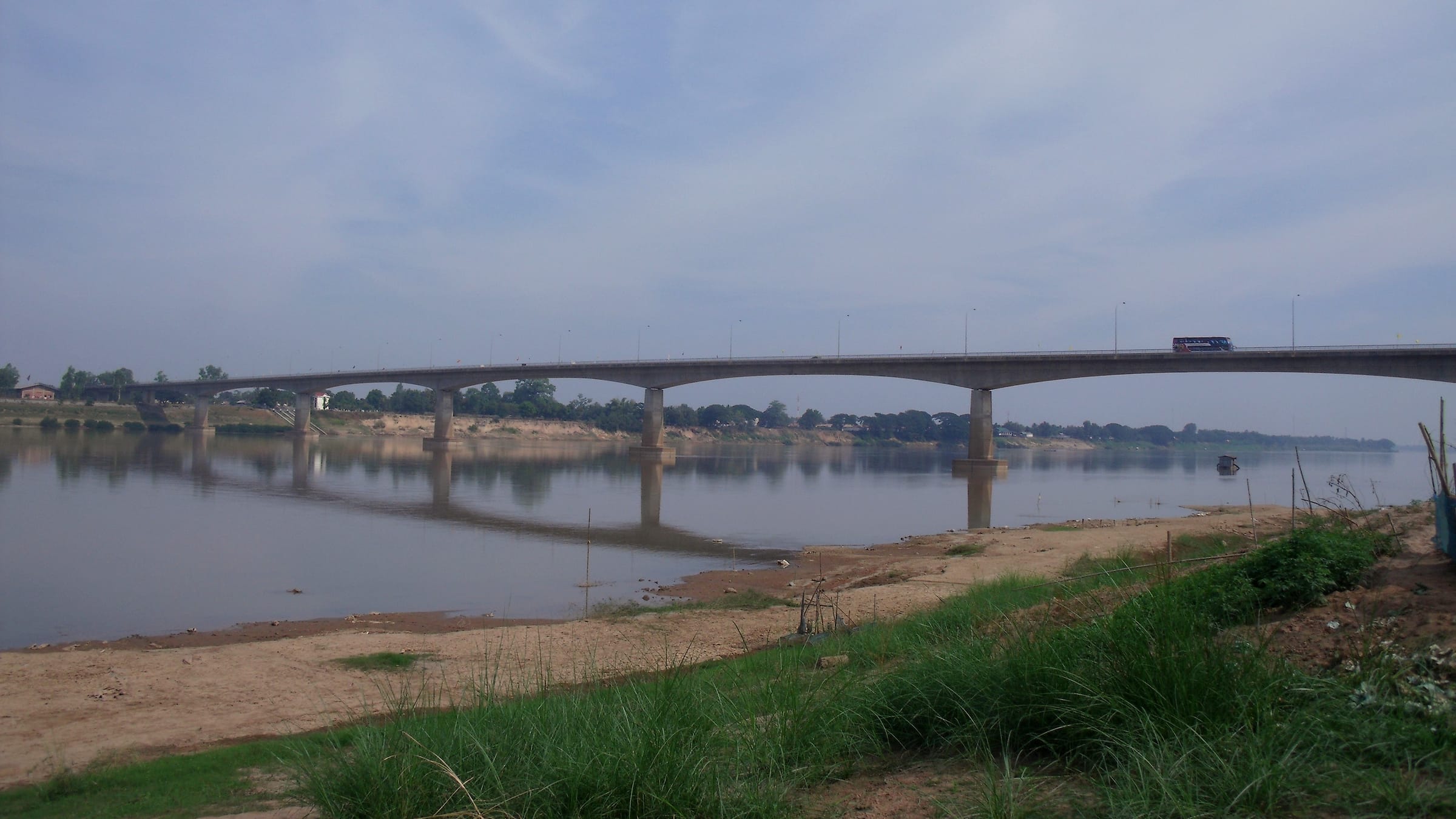
This is the question families most often leave unasked, and the one worth answering before you buy. The Friendship Bridge between Vientiane and Nong Khai, the usual route to the hospitals of Udon Thani, closes overnight. In an emergency the crossing can be opened, and Thai hospitals and embassies can help to arrange it, but it takes time, and in the worst case hours. Thai ambulances can come into Vientiane, yet it is usually quicker to drive to the Lao side of the bridge and meet them there.
The answer, then, is a plan rather than a hope. Keep the numbers of your clinic, of a hospital in Udon Thani and of your insurer's assistance line where every adult in the house can find them. Know in advance which hospital you would go to, and have it agreed with the insurer. Keep passports where you can reach them in the dark, because a border crossing needs them even at three in the morning. And if a member of the family has a heart condition, a high-risk pregnancy or anything else where every hour counts, settle the transfer arrangements with your doctor and insurer before you need them, not on the night.
What insurance does a family actually need?
A policy that only covers treatment inside Laos covers the part of the problem that is least likely to be expensive. What a family living in Laos needs is international health insurance whose territory includes Thailand, with medical evacuation written in, by road to Udon Thani and by air to Bangkok or beyond. Ask whether the insurer will pay the hospital directly or issue a guarantee of payment before treatment, because Thai private hospitals generally expect payment up front from a patient who arrives without one, and an evacuation without cover can be very expensive.
Then read the details that matter for children and parents. Is maternity covered, and after what waiting period? Are existing conditions covered, and on what terms? Does the policy continue if the family spends long periods outside Laos, or if a child goes to university abroad? Is there a limit on evacuation, and who decides when it is medically necessary? A good broker who knows the region will save you more than their fee here. If you are buying in the provinces, the evacuation clause matters even more, because the first leg of a serious journey is often a long road or a flight before the hospital is even in reach.
How should schools and hospitals shape where you buy?
For a family, the best house in Laos is the one that makes ordinary days easy and bad days survivable. That usually means a short and reliable drive to the school, which in Vientiane's rainy season traffic is not the same as a short distance on the map, and a straightforward route to the clinic and to the bridge. It also means checking a few things before you commit:
- The school place. Confirm admission, the curriculum and the full fee schedule for every child before you pay a deposit on the house.
- The journey. Drive the school run and the route to the bridge at the hours you would actually use them, in the rain if you can.
- The clinic. Choose a licensed clinic near the house and ask how it refers patients to Thailand.
- The policy. Have international cover with Thailand and evacuation in place, and the assistance number saved, before the family arrives.
- The house itself. Look for screens, safe water, a generator or a reliable supply, and a garden that does not hold standing water.
- The status. Check that every member of the family has the right visa, because owning a home does not by itself give anyone the right to live in Laos.
None of this is a reason not to come. Families who plan it this way often say that what they found here, more time together, a slower rhythm and children who grow up between two cultures, was worth the extra thought. It is simply a reason to buy in the right order: the school, the doctor and the plan for the bad night first, and then the house that fits around them.
This article is general information, not legal, medical or financial advice. School fees, admission rules, health regulations, border hours and insurance terms change; confirm them with the schools, your insurer and a Lao-licensed law firm before you commit.