
Buying
Is the asking price fair? How to value property in Laos
How do you know whether an asking price in Laos is fair? You build the answer yourself, because no one publishes it. Laos has no public price index, no shared listing service and no reliable record of what comparable properties actually sold for, and the official land price exists for tax, not for telling you what a property is worth. A sound estimate comes from four checks laid side by side: what similar properties are asking and what they really traded for, the value of the building as a cost to replace, the rent the property can earn, and, for a large sum, a written opinion from a professional valuer. Where the four agree, you are close to a fair price. Where the asking price sits far above all of them, you have found your negotiation.
This matters more in Laos than in most markets, because the usual safeguards against overpaying are missing. There is no surveyor's comparable report that every buyer receives by default, no bank insisting on a valuation before it lends, since most purchases here are made in cash, and no published sales history to check a seller's story against. The discipline falls on you. Here is how to apply it.
Why is a fair price so hard to see in Laos?
Start with the absence of data. In mature markets a buyer can look up recent sales on the same street within minutes. In Laos the information exists only in fragments: asking prices on agency websites and social media groups, word of mouth in the village, and the price written into a sale agreement at the land office. None of these is a dependable record of market value.
Asking prices are opening positions, and a property can sit on the market for months at a figure no one pays. The price declared at the land office is often not the real price either: because transfer tax is assessed on an officially assessed value rather than simply on the contract, parties have little reason to record the true figure, and the registered number can understate what changed hands. The market is also thin. Outside the centre of Vientiane and a few streets of Luang Prabang and Vang Vieng, there may be only a handful of genuinely comparable sales in a year, so a single eager buyer can move the going rate.
Currency adds a final layer. Lao law requires prices to be stated in kip, with a foreign currency shown only alongside it, yet in practice listings and conversations often run in US dollars, or in Thai baht near the border, and the kip has moved a great deal against both. Convert every comparable into one currency at the rate of the same day before you compare anything.
What exactly are you pricing: land, a lease or a unit?
Before comparing prices, be clear about what you are buying, because a foreign buyer rarely buys what the comparable sale was. A Lao family selling a plot sells land use rights with no end date. You, as a foreigner, will usually hold either a registered lease, a condominium unit, or an interest through a company, and each of these is a different asset with a different value.
A lease is worth less than the land beneath it, and the shorter the remaining term, the larger the gap. From a Lao citizen the ceiling is around thirty years. Pay the price of land for a lease of that length and you have overpaid, however attractive the house, because at the end of the term the land goes back and what happens to the buildings depends on the lease itself. Ask how the rent is structured: a lease paid up front is effectively a purchase of time and should be priced as such, while a lease with annual rent leaves you exposed to future increases. A condominium unit, by contrast, is priced on the unit, not on the land, so compare it with other registered units of similar age, floor and quality, not with house plots nearby.
Whatever the structure, the legal quality of the title is part of the value. A property with a full, registered land title, clean boundaries and the right land category is worth more than an identical one on a temporary certificate or with a disputed edge. A discount that looks generous may simply be the market pricing a defect.
What does the official land price tell you?
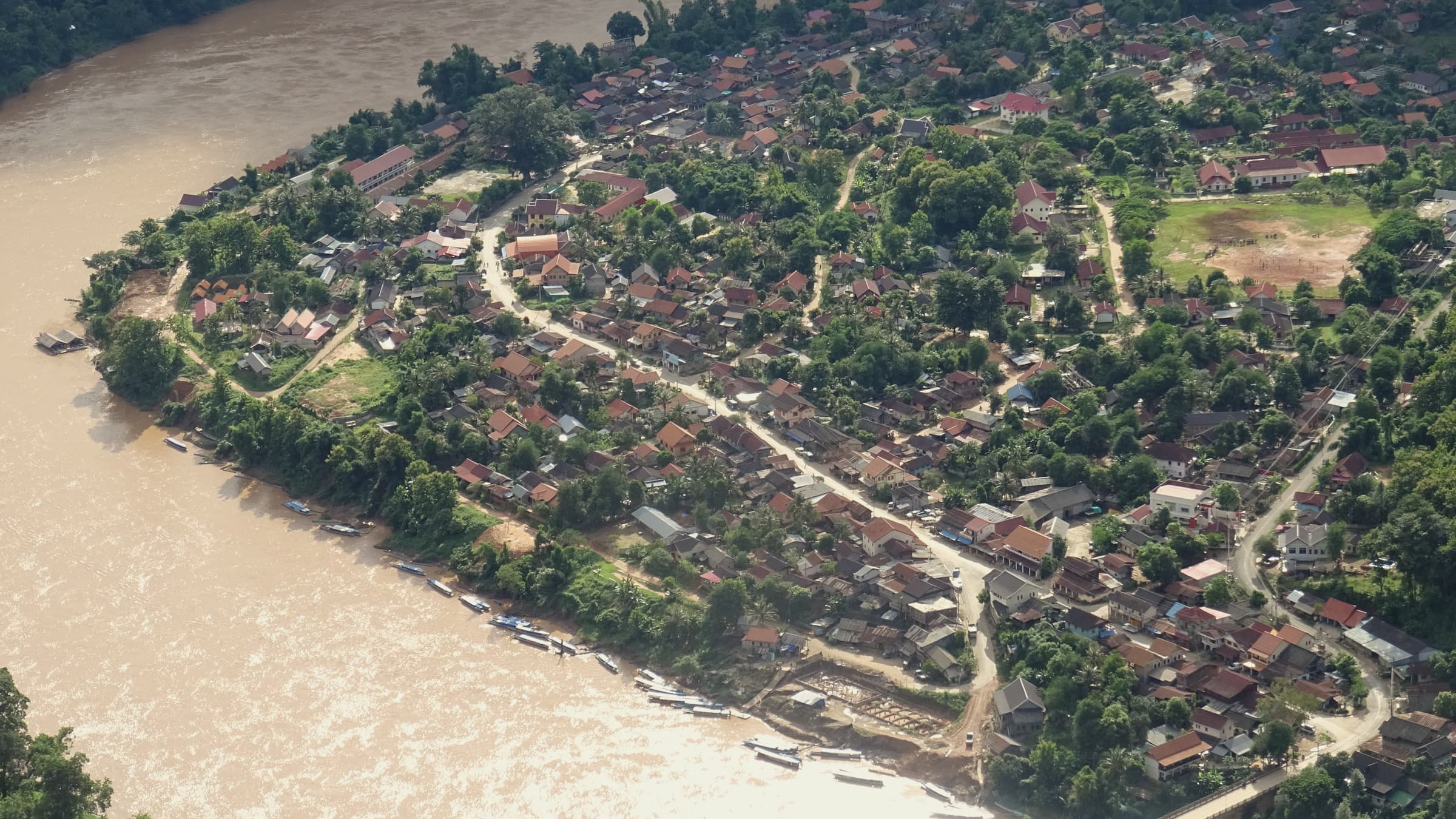
Provincial authorities set official land prices, and they are often the only published figures a buyer will find. Use them for what they are. In Vientiane Capital the current schedule rests on Decision No. 142/VDP of 2021 from the Vientiane Mayor's Office. According to a report presented to the Vientiane People's Council on 23 September 2026, these appraisal prices are used mainly as the basis for calculating land use right transfer fees and income tax, and are not automatically used to set compensation when land is taken for a project. The same report found that districts apply the schedule differently, that the 2021 decision set no unit rates for valuing buildings, and that rapid urban growth has left many official prices well below the market.
That gap is precisely why the official price is no guide to a fair price. It is a floor for tax, not an estimate of value. The capital is now revising it: the options described in September were to set official prices at 10 to 30 percent of prevailing market values, or to raise existing prices by 10 to 30 percent. The revised agreement on land valuation is on the agenda of the Vientiane People's Council's second ordinary session, held from 10 to 13 November 2026. At the time of writing nothing had been adopted or published.
For a buyer, the revision matters in two ways. First, it may raise the tax due on a transfer in Vientiane once it takes effect, so settle in the sale agreement who pays the transfer tax and on what basis. Second, the official figure is still useful as a sense check: it tells you the value the tax office will use, and a large gap between that figure and the asking price is normal, but it should be explained by location and quality, not by a seller's optimism.
How do you build your own comparables?
Build a small file of evidence, as a valuer would. Collect asking prices for similar properties in the same area from several agencies and online groups, in one currency, and note the date of each. Treat these as ceilings, not as proof of value, and expect a negotiation margin below them. Then look for evidence of what actually traded. The village authority usually knows which plots have changed hands and roughly for how much, and long established neighbours often know too. A local lawyer or a reputable agent who has closed sales in the area can tell you where recent deals settled.
Reduce everything to a price per square metre of land, and, for a house or a unit, a price per square metre of floor area. Then adjust honestly for the features that move value in Laos: road frontage and access in every season, distance to the Mekong or a view, flood exposure, the land category and whether building is allowed, the quality of the title, mains water and power at the boundary, and the plot's shape. A plot on a paved road with a full title and connections is not comparable with a cheaper plot down a dirt track that floods in August, even if they are in the same village.
Keep the file. If you buy, it is your record of why the price was reasonable. If you sell one day, it is the start of your own pricing.
How do you value the house itself?
For land with a building, separate the two. Estimate the land from your comparables, then value the building as what it would cost to build again today, less wear. Ask two or three local builders for a current cost per square metre for a similar standard of construction, since labour is paid in kip and imported materials track the dollar, and the figure has moved in recent years. Then deduct for age and condition, which matter more in a tropical climate than many buyers expect: roofs, timber, damp and termites shorten the life of a house.
A house is rarely worth more than the land plus a fair replacement cost of the building. If the asking price asks you to pay a large premium on top of both, ask what you are paying for. Sometimes it is real, a heritage house in a protected district, a finished garden, a view that cannot be built out. Often it is not. And a building that sits on land not classified for construction, or that was built without a permit, may carry a cost to regularise rather than a premium.
Does the rent support the price?
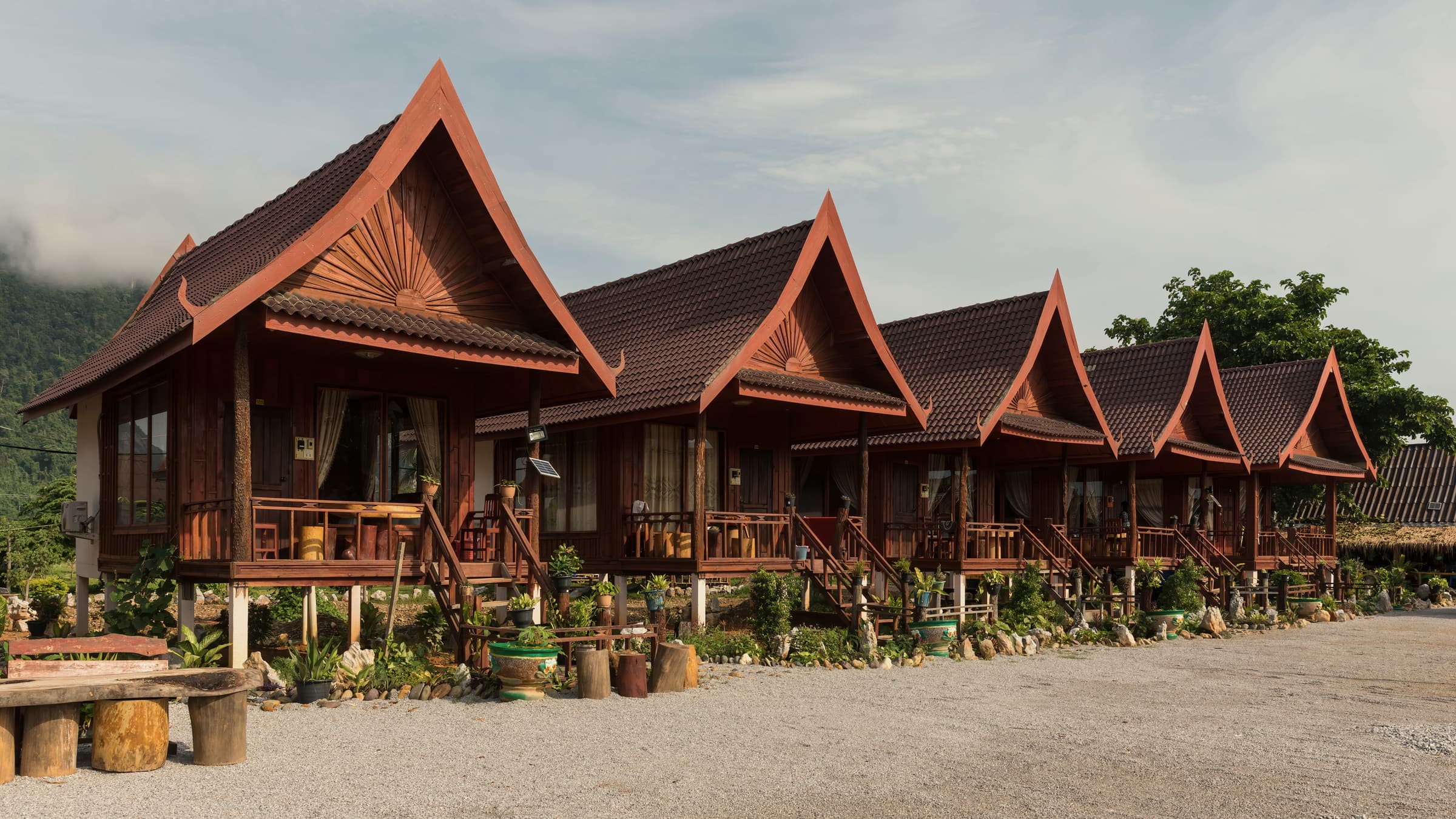
For any property you might let, the income gives a second, independent test. Find what similar properties actually rent for, not what owners hope to get, and work out the gross yield: the annual rent divided by the price. Then look at the net figure, after the 10 percent tax on rental income, management, maintenance, insurance and the months the property stands empty. Our guide to renting out your property in Laos covers who the tenants are and how much management a let really demands.
Laos is not a high yield market, and few buyers come here for income alone. But a price that implies a net return far below what comparable lets produce is a price that depends entirely on future growth, in a market with no index to measure that growth. For a guesthouse or a small hotel, ask for the operating figures, the licences and the occupancy over several seasons, and value the business separately from the property: a buyer who pays for a trading income should see the evidence of it.
Is there a foreigner price, and how do you avoid it?
Many foreign buyers report being quoted more than a local buyer would be, and in a market with no published prices the risk is obvious, although no reliable data measures how often it happens or by how much. The best defence is evidence and distance. Arrive with your own file of comparables. Let a Lao lawyer, a trusted Lao adviser or your agent ask the price before you appear, and ask the seller for the price in writing. Check whether the agent showing you the property is also acting for the seller, and ask how the agent is paid, because a commission added on top of the seller's net price is a common source of inflated figures.
Above all, do not let urgency set the price. A seller who insists that another foreign buyer will pay more by the end of the week is using the absence of data against you. A fair property is still fair after a few days of checking.
Who can give you a formal valuation?
Professional valuation exists in Laos, but it is young and concentrated in Vientiane. Lao banks rely on valuation firms to value the property they take as security for loans, and at least some of these firms describe themselves as approved by the Bank of the Lao PDR for that work. For a significant purchase, a written valuation report from such a firm is worth commissioning: it gives you an independent view of the land, the building and the local market, and a document you can put in front of a seller. Ask what method the valuer used and which comparables, and read it as a professional opinion, not as a guarantee.
Help may also arrive from the State in time. LaoLandReg, the national digital land registry, is building a record of registered parcels, and a regional study presented in Vientiane in November 2026 recommended independent land price indices built on that kind of data. Those are recommendations, not policy. Until something like that exists, a fair price in Laos is the one you can defend with your own evidence.
If you are weighing a property now, we can help you assemble the comparables and read the official figures before you make an offer, which is the moment when knowing the value is worth the most.
This article is general information about valuing property in Laos as of November 2026, not legal, tax or valuation advice. Official land prices, tax bases and the status of the Vientiane revision change; verify the current position with a Lao licensed law firm and, for a significant purchase, a qualified valuer before you act.